Archive | Uncategorized RSS feed for this section

Learning or Brushing up on Spanish

8 Feb

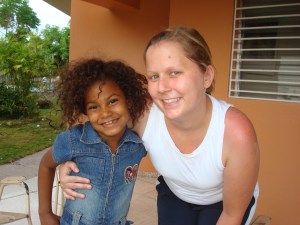
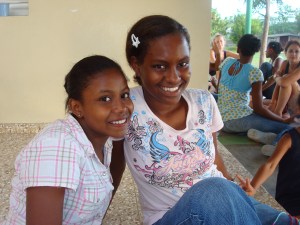
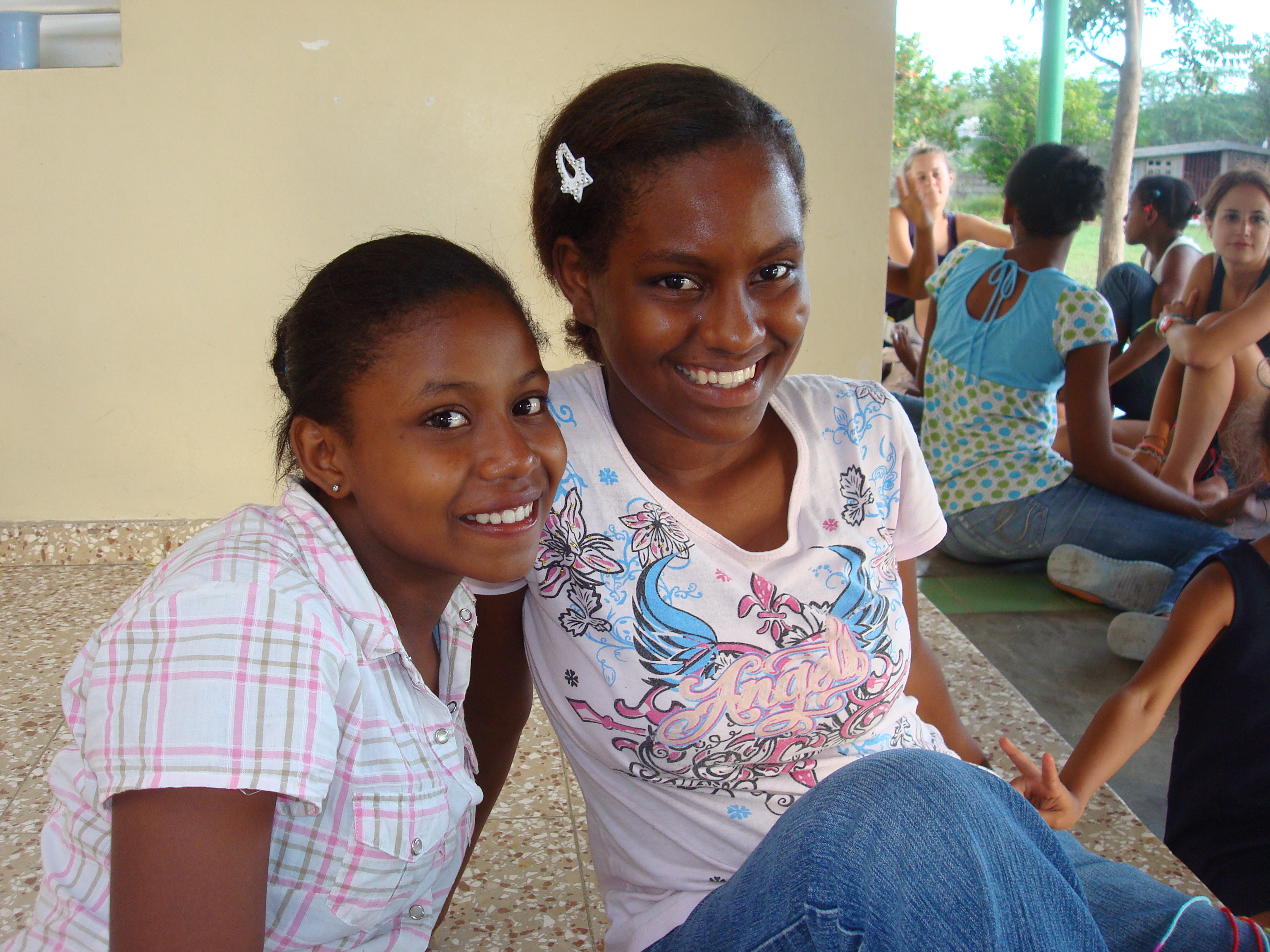
Tres chicas en la playa

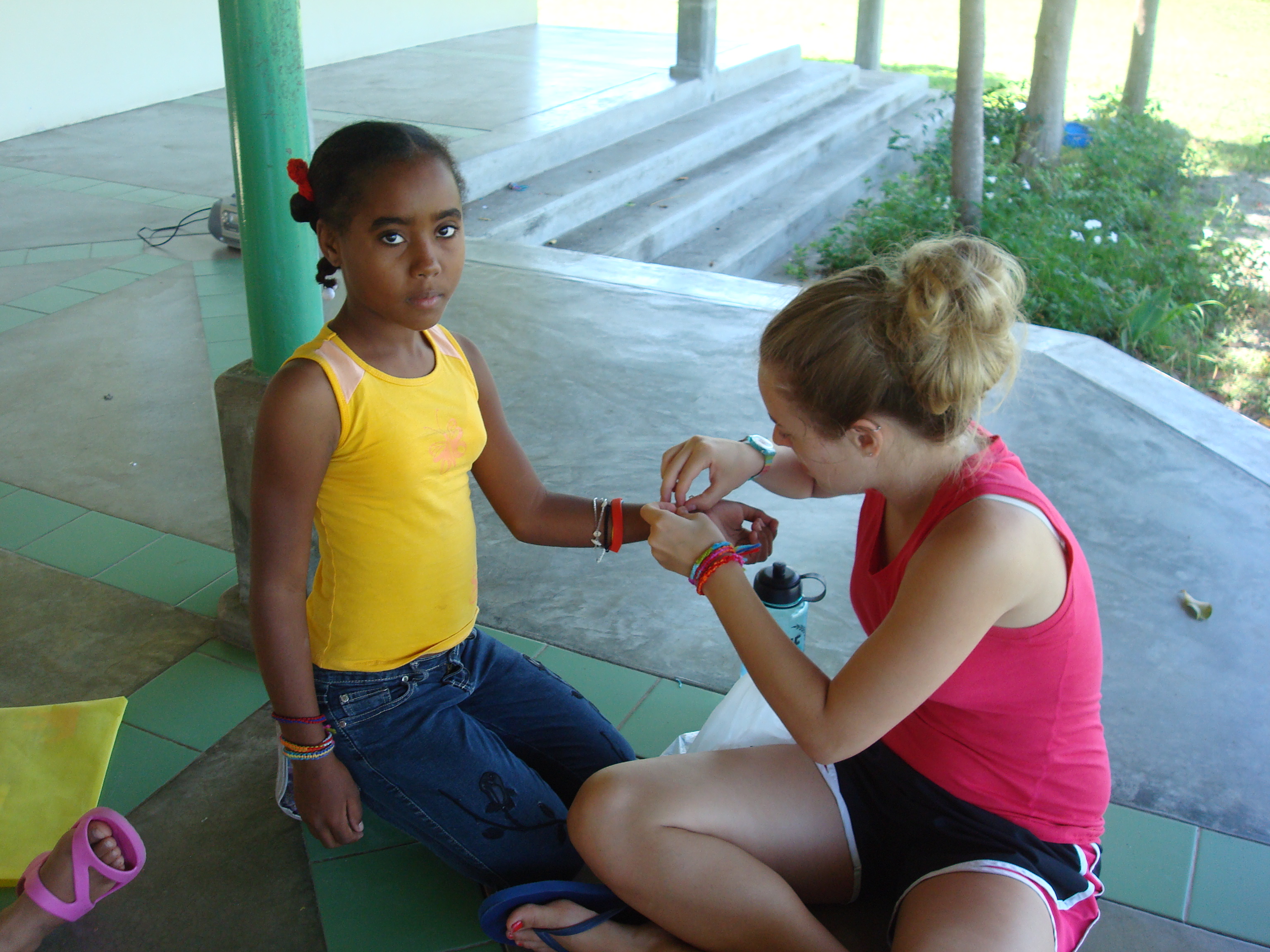
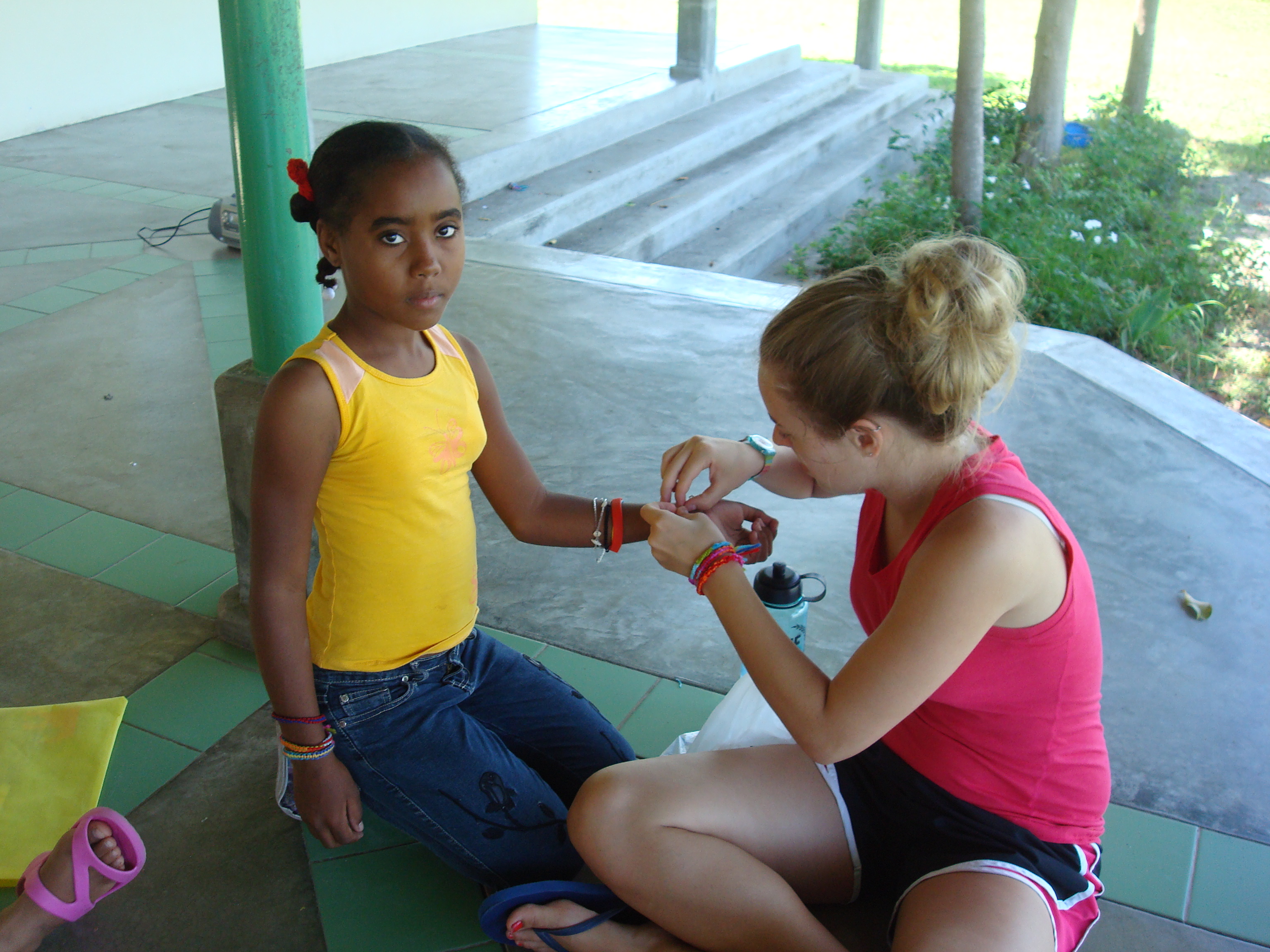
The girls used to have real challenge communicating with us. They used to think we were deaf, so would repeat themselves loudly and slowly. Now they understand the situation better. They are great with charades, props, Spanish/English dictionaries etc. If none of this works, they grab a bilingual interpreter who resolves the situation!

Here are some ideas on how to learn the basics of Spanish or how to brush up on Spanish. Please use the “Comments” section for your recommendations.

Spanish for Dummies – The book includes a CD that you can listen to while driving around.

Coffee Break Spanish – 20 minute or so lessons on podcasts. You can listen on your iPod or computer. http://radiolingua.com/shows/spanish/coffee-break-spanish/ The format is a (Scottish) college professor with a college student who’s studied French. I guess that’s why I get a kick out of it. She has similar questions that I do.

Check out these free websites, some are all free, some give a free demo enticing you to buy more.

The library has books and audiobooks to help you learn Spanish basics.

Community ed classes are a great opportunity to learn if you prefer interactive learning.

Bring your own Spanish/English Dictionary. Use it with the girls to figure things out.

The translation apps on our smartphones are so cool! But, we can’t count on 4G connections when we’re in Azua!

Take some time to study these Campamento Vocabulary and Phrases. Practice with a Spanish speaker while you’re here. To hear how to pronounce a phrase, copy and paste the phrase into http://translate.google.com 

Must know phrases

Please/por favor
Thank you/gracias
Greetings – Buenos dias, Buenas tardes, Buenas noches, Hola
My name is/me llamo <name>
What is your name?/Cómo se llama usted? Cómo te llamas?
Nice to meet you/ mucho gusto

Classroom & craft vocab

Salón de clase/ Taller de clase – classroom
Tijeras –Scissors
Lapicero- writing utensil
Lápiz- pencil
Saca puntas- pencil sharpener
Barro- clay
Hilo- string
Pucas- beads
Diario- journal
Papel- paper
Crayones- crayons
Drama- skit/ play
Pretty/Lindo or linda, bonito or bonita
How many? / Cuántos? or Cuántas?

Colors

Red/ roja
orange/ naranja
yellow/ amarilla
green/ verde
blue/azul
purple/ morado
Pink/ rosa
white/blanco

Household Chores

hacer los quehaceres – do the chores
lavar los platos – wash the dishes
barrer el piso – sweep the floor
fregar el piso – mop the floor
lavar la ropa – do the laundry
planchar la ropa – iron the clothes
aspirar el piso – vacuum the floor
sacudir los muebles – dust the furniture
sacar la basura – take out the trash
arreglar – neaten, straighten up
hacer la cama – make the bed
poner la mesa – set the table
quitar la mesa – clear the table
tender la ropa – hang out the clothes to dry

Helpful verbs

Escucha- listen (singular)
Escuchen- listen (plural)
(No) tengo- I (don’t) have
Necesito – I need
Tengo que – I have to
Tienes?- Do you have?
Vámanos- let’s go
Llegar- arrive
Llegamos/ Llegaron- we arrive/ they arrived
Espérate- Wait
Dame- give me
Dámelo- give it to me
Préstame- give it to me
Quiero- I want
Quiere- she wants
Peinar- to brush
Péiname- brush my hair
Listo/ a- ready
Están listos/ as? Are you ready?
Jugar- to play
Pintar- to paint
Hace calor- it’s hot
Lo siento- I’m sorry
Siéntate- sit down (one person)
Siéntense- sit down (many people)
Silencio por favor- quiet please
I understand/Entiendo (no entiendo)
I have/Tengo (no tengo)
We make/ hacemos,
We will make/haremos
Ready/Listo/a
I found/ Encontré
I lost/ Perdí

Other vocab

Fondo- background
(Un) chin- a little bit
Guagua- bus
Cosa- thing
Basura- trash
Hogar- home
Casa- house
Trenzas- braids
Pelo- hair
Biblia- Bible
Maleta- suitcase
Small (shoes)/ pequeños  (zapatos) Medium/ medios,  large/grandes
Children’s small/ niños pequeños,  Ladies small/ señoros pequeños
I have one/three son/sons daughter/daughters. Tengo un/tres hijo/hijos hija/hijas.

Meals

Desayuno- breakfast
Merienda- snack
Jugo- juice
Galletas- cookies
Almuerzo- lunch
Cena- dinner
Comemos- let’s eat

Day/week

hoy -today
mañana – tomorrow
ayer – yesterday
el contorno para la semana – the outline of the week
esta semana – This week
la semana pasada – Last week

Beach Vocab

Playa- beach
Olas- waves
Honda- deep
Flotar- to float
Arena- sand
Suéltame- let me go (when floating)
Vidrio del mar- sea glass    vidrio = glass
Concha(s)- shells

Kickoff Meeting Report – Trip Update

7 Feb

So far we are right on target with many potential travelers. We also have many past travelers and future travelers who are helping out this year! I believe all the people willing to help is a very meaningful statement to potential travelers as well as all parishioners.If you are interested in joining us, please contact me.

The next step is to decide whether you can go, and when. The three potential weeks are July 7-15, July 14-22, and/or July 21-29. It’ll be two contiguous weeks. Please let me know if/when you’ve decided and which week(s) would work for you.

Here we are at the beach (playa)!


Peace,


Ann

Campamento Goals

23 Nov

From the first campamento, our goals have been:

  • To spend time with the girls

  • To create and maintain a lasting friendship

  • To develop the girls’ self esteem

  • To teach the girls English

  • To gain spiritual insight from the Sisters and the girls

  • To take a break from our usual routines, both the girls’ routines and the travelers’.

Principles of Sister Parish Partnerships

22 Nov

1. Emphasize relationship over resources
A true partnership builds and nurtures a familial relationship over a period of time, a relationship that transcends any single act of working together (such as a project) or of sending a check. If the partnership is based on resources, then the partner with little material resources is excluded from fully participating in the relationship except as a receiver. But when the relationship is valued above all, it allows for mutual participation and transformation. All are invited to participate equally; we all have the ability to love, pray and be present to one another.


2. Practice mutuality and equality
True mutuality allows each of the partners to function from a place of strength rather than weakness. We each must acknowledge the wholeness of the other. We must be alert to the historic imbalances of power between developed nations and poor countries and how that inequity plays out at all levels of a relationship. We need to intentionally incorporate opportunities for dialogue, planning, assessing, challenging and reflecting together in order to not to fall into the trap of the giver and receiver, of the superior and the inferior.


3. Seek to give and receive, learn and teach
In fact, our poverties are an invitation to another to share their gifts, affirming their value and contribution. This requires a spirit of humility, recognizing that we are mutually interdependent and in need of each other.


4. Work to change unjust systems and structures
If we mindfully focus on the relationship, ask open-ended questions, and learn from our partner, they will invite us in to see and understand their reality – their joys and celebrations, as well as their sorrows and struggles. We begin to recognize the unjust structures and systems that often keep people in poverty and are challenged to gently confront our own role and contribution to this injustice, whether through our inaction (e.g., when we allow important legislation to pass or fail unchallenged) or more actively though our consumer choices, our level of consumption, etc. We are called to work to change those systems and/or our own personal habits and activities for the sake of those we have come to know and love as well as for others who share the same challenges.


5. Deepen our faith by experiencing the universal, catholic church
Our partnerships calls us more fully into St. Paul’s image of the church as one body of Christ, with many unique parts offering different gifts yet unified in Christ. As the Reverend William Nordenbrock of the Missionaries of the Precious Blood explains, “If we approach tour partnership as a mutual sharing within the body of Christ, then in our desire to evangelize, we receive the gift of being evangelized, of having our faith renewed.” We are challenged by our partner’s witness of faith amidst adversity. As we come to know brothers and sisters of faith from a culture other than our own, we learn new ways of understanding the Scriptures, and we see new models of being a parish community. We concretely experience out oneness in Christ and are encouraged to expand our sense of shared humanity, not only with our parish partner, but with all God’s people in the universal church.

Background – Part 2

19 Nov

Two parishioners headed down on cheap ($98 each!) tickets the following winter to see the place first hand. They saw the good work that the Sisters and girls were doing at the home. They asked what the Sisters would want from a relationship with the Church of Saint Edward – money, supplies, clothing? No, they wanted to build a personal and spiritual relationship with parishioners through a Summer camp, or “Campamento”.

The girls live in the home because their families cannot take care of them. Many mothers have died in childbirth or due to malnutrition or other poverty related complications. Other mothers work long hours for very little pay and cannot supervise the girls while they are working. Many of the girls do have extended family. They are not “up for adoption”. The girls are well behaved, healthy girls with capacity to succeed in school.

The girls live in the home during the school year. They attend the Catholic schools in Azua. One weekend per month the girls return to their families. In this way the girls maintain a connection to their roots and the girls provide a positive influence in the community. Many of the girls return from these home visits hungry and dirty, but they are maintaining these important bonds. In the summer, the girls return to their families except for two weeks when they go back to the Hogar for “Campamento”. Before our relationship the Sisters ran a camp. In 2001, we started by running one week of the two weeks. Since then, we’ve held one, two, or three week camps, based on the number of travelers who volunteer.

We need 6 to 10 travelers per week of camp. Travelers spend one week at camp. Travelers pay their own way, including travel, passports, travel clinic, and other incidentals. Once there, we are hosted by the Sisters, including food, housing, and transportation within the country.

Betania missed her first camp this year to work at a daycare center in the Capital. She is so confident and beautiful!

¡Bienvenido!

17 Nov

Welcome to the 2017 Campamento Blog

The purpose of this blog is to inform and organize volunteers for the 2017 Camp at the Hogar Teresa Toda which is lead by Church of Saint Edwards parishioners, staff, and friends. It takes many to “make camp happen”.  This is one place to learn more.

Girls in their Campamento 2011 shirts

Background

The Church of Saint Edward in Bloomington, MN, has had a relationship with Hogar Teresa Toda, a girls’ home run by Carmelite nuns, since 1997. The home is in Azua, about 2 hours west of Santo Domingo.

The relationship began when Bloomington Rotarians dug a well for the home. The Rotarians had only planned to dig another well in the region, but the Sisters convinced them to dig a well for the new home also. After digging and digging, the crew was not hitting water. The prospects were looking grim until the Sisters gathered the girls in a circle around the hole. In the limited Rotarian Spanish and Carmelite English, the Rotarians asked “What’s going on?” The head Sister said “You dig, we pray.” Within minutes, the crew hit water, fresh water, enough water for years and years to come. After that success, the Sisters expressed interest in maintaining a relationship with an American organization. This was not in the scope of the Bloomington Rotary, but someone there knew a Saint Edward’s parishioner.

More in the next post!

Peace,

Ann