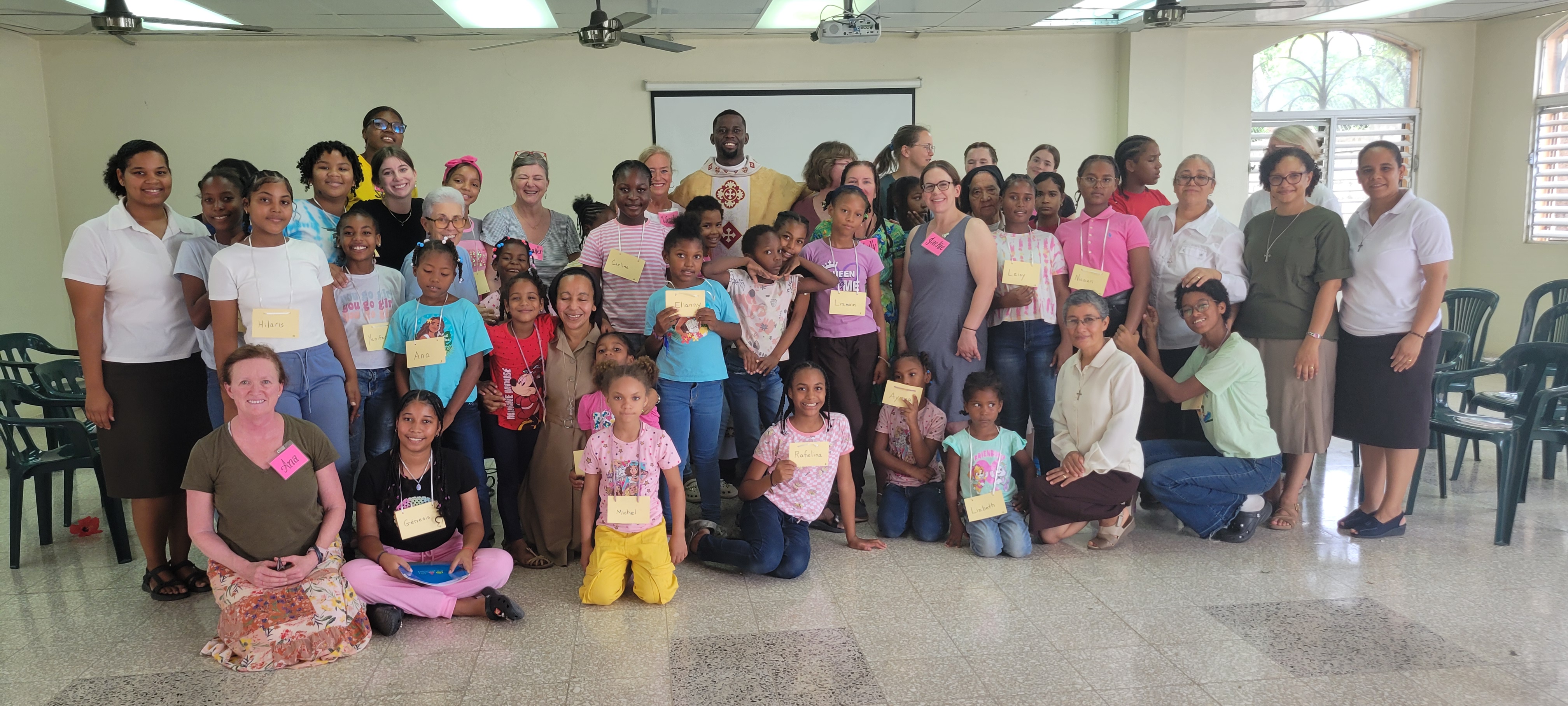
Campamento 2025 was a week of grace, hard work, joy, and deep relationship-building with the girls of Hogar Teresa Toda in Azua, Dominican Republic, made possible through the prayers and financial support of our parish community and friends. The Parish’s generosity allowed a full team of travelers to return and continue a 29-year sister-community relationship, offering education, faith formation, enrichment activities, and simple fun to some of the poorest girls in the region.
Campamento and Hogar Teresa Toda
Campamento is a one‑week camp hosted at Hogar Teresa Toda, a home run by Carmelite Sisters for girls from very poor families. The camp is organized and supported primarily by parishioners and friends of the Church of Saint Edward in Bloomington, MN. Over nearly three decades, more than 100 travelers have participated, returning year after year to deepen friendships and support the Sisters’ year‑round work in education, health, and spiritual formation.
The camp structure blends spiritual formation, academic support, creative arts, and recreational time, all designed in partnership with the Sisters to reinforce the girls’ dignity, confidence, and faith. Monetary donations are used by the Sisters to purchase local school and health supplies, supporting both the girls and the local economy, while travelers focus on relational ministry, teaching, and program delivery.
Travel Day and Arrival “Home”
Travel began from Minneapolis–St. Paul before dawn, with most of the team flying American and two travelers on Delta, converging in the Dominican Republic where one team member, Jackie, had already arrived. A small hiccup—a suitcase delayed in Miami—meant extra time at the airport for reporting and follow‑up, but the bag arrived safely in Azua the next day, demonstrating the importance of flexibility and patience in mission travel.
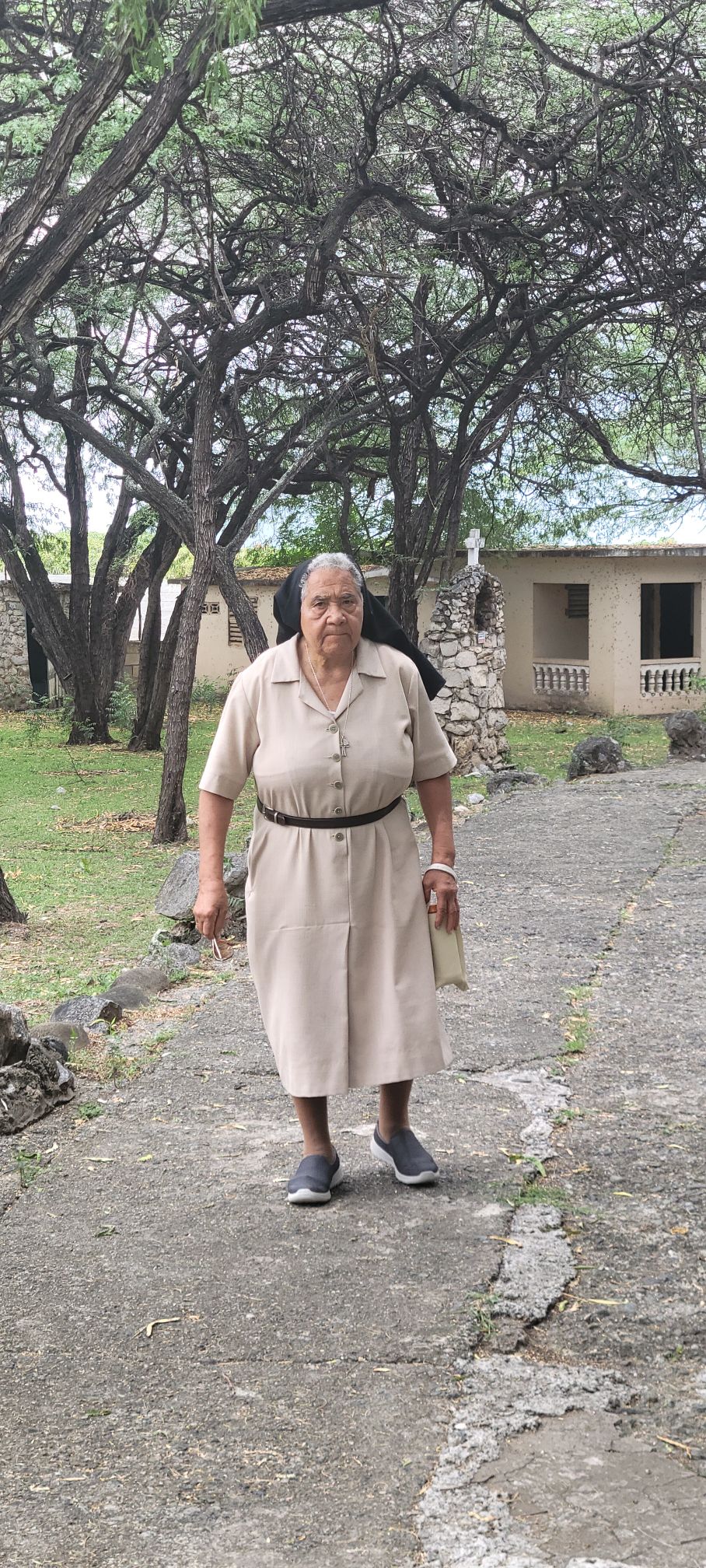
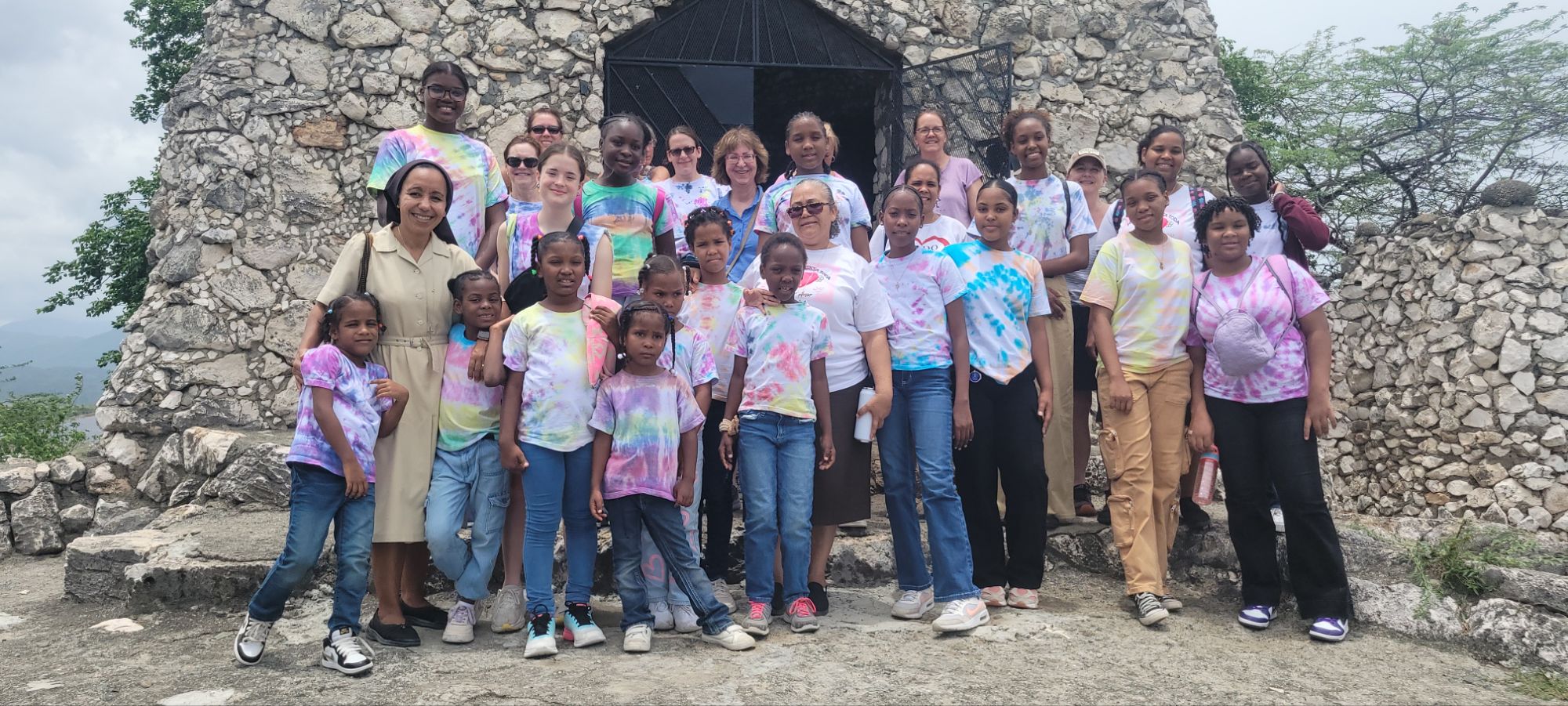
The Sisters—Grace and Stefanie, with driver Job—met the team with the familiar guagua and a small truck for luggage, and the group stopped at El Carmelo for a first shared meal and the traditional traveler photo in the garden.
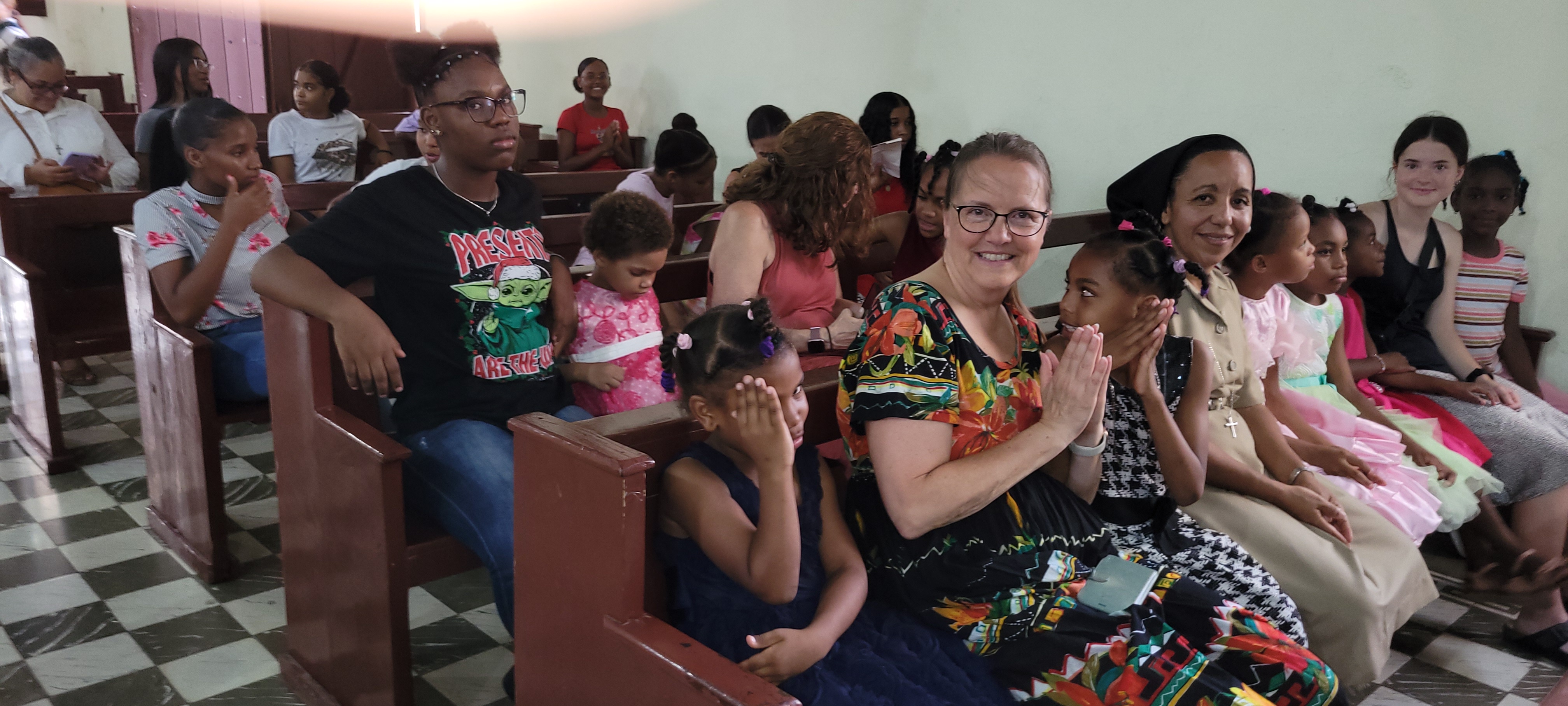
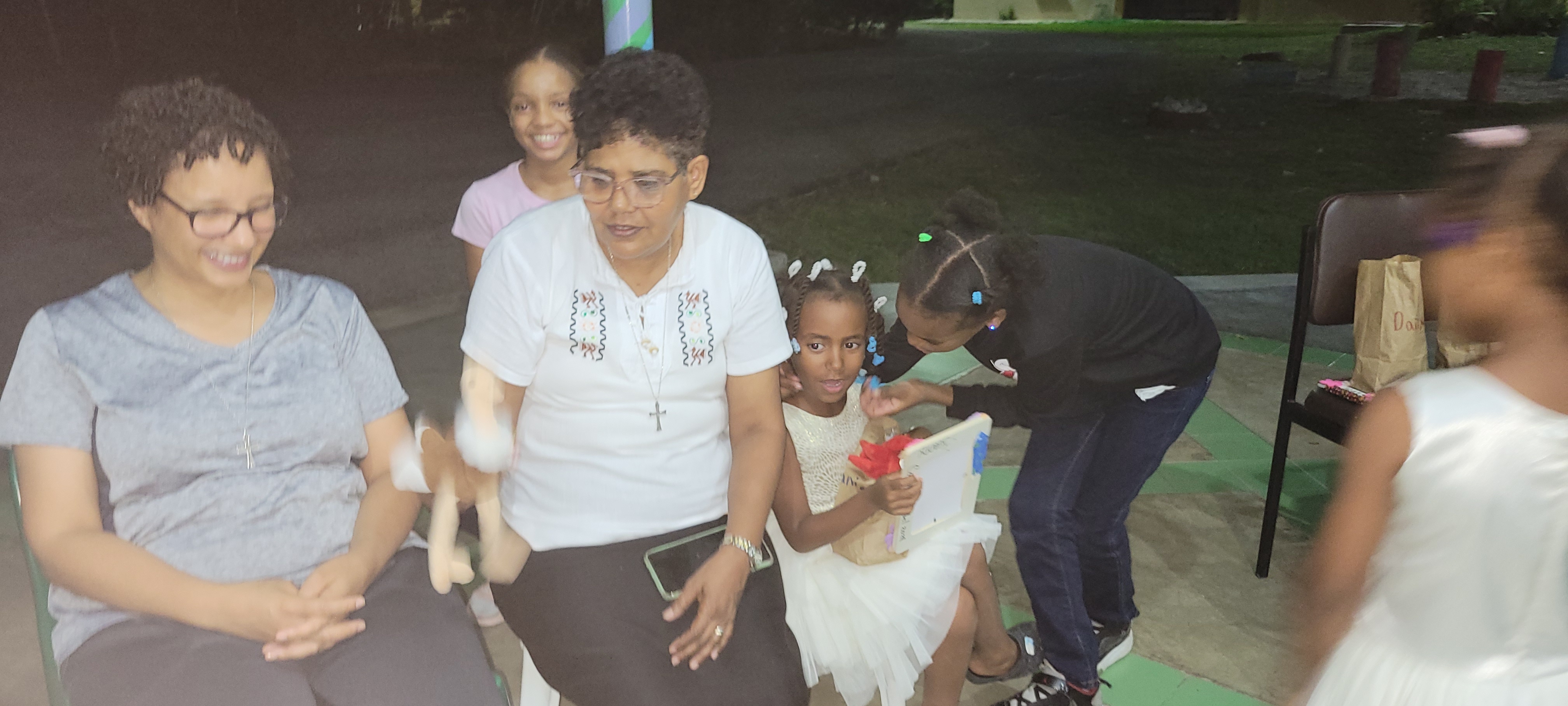
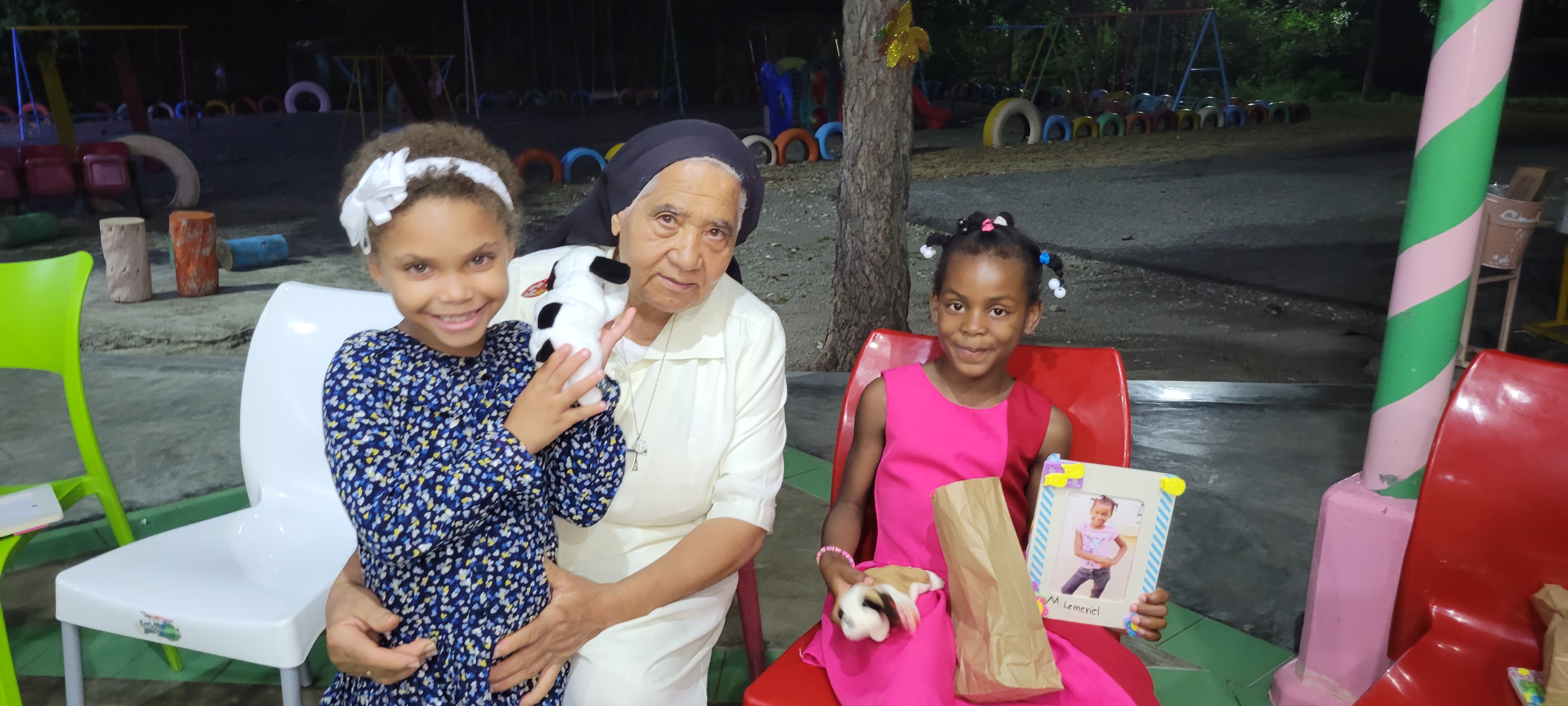
After another one hour and thirty minute guagua ride, we made it to the home!! Entering the Hogar (home) is always emotional; the girls greeted the travelers with music and shouts from the kiosko, turning the courtyard into a celebration that immediately reminded everyone that Campamento is, first and foremost, a family reunion.
Day 0: Sunday – Launching Camp and Theme
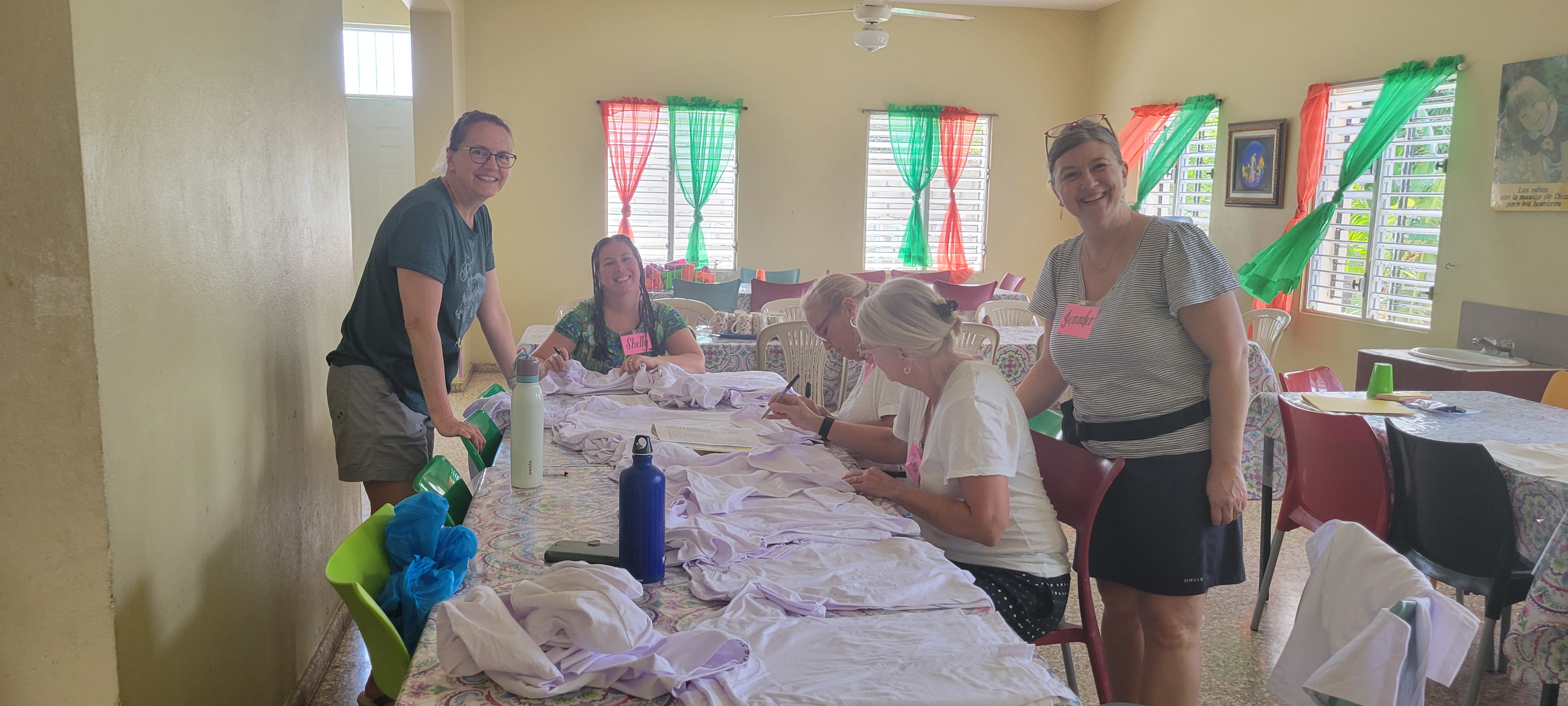
Sunday began with breakfast and an opening circle of prayer, where this year’s theme song, “You Say” by Lauren Daigle, was introduced along with name‑learning games to help new and returning travelers and girls connect quickly. The girls eagerly played games like rock‑paper‑scissors with travelers while behind the scenes others organized suitcases and prepared T‑shirts for tie‑dye, a tradition that gives each girl a wearable memory of camp and a shirt for the week’s excursion.
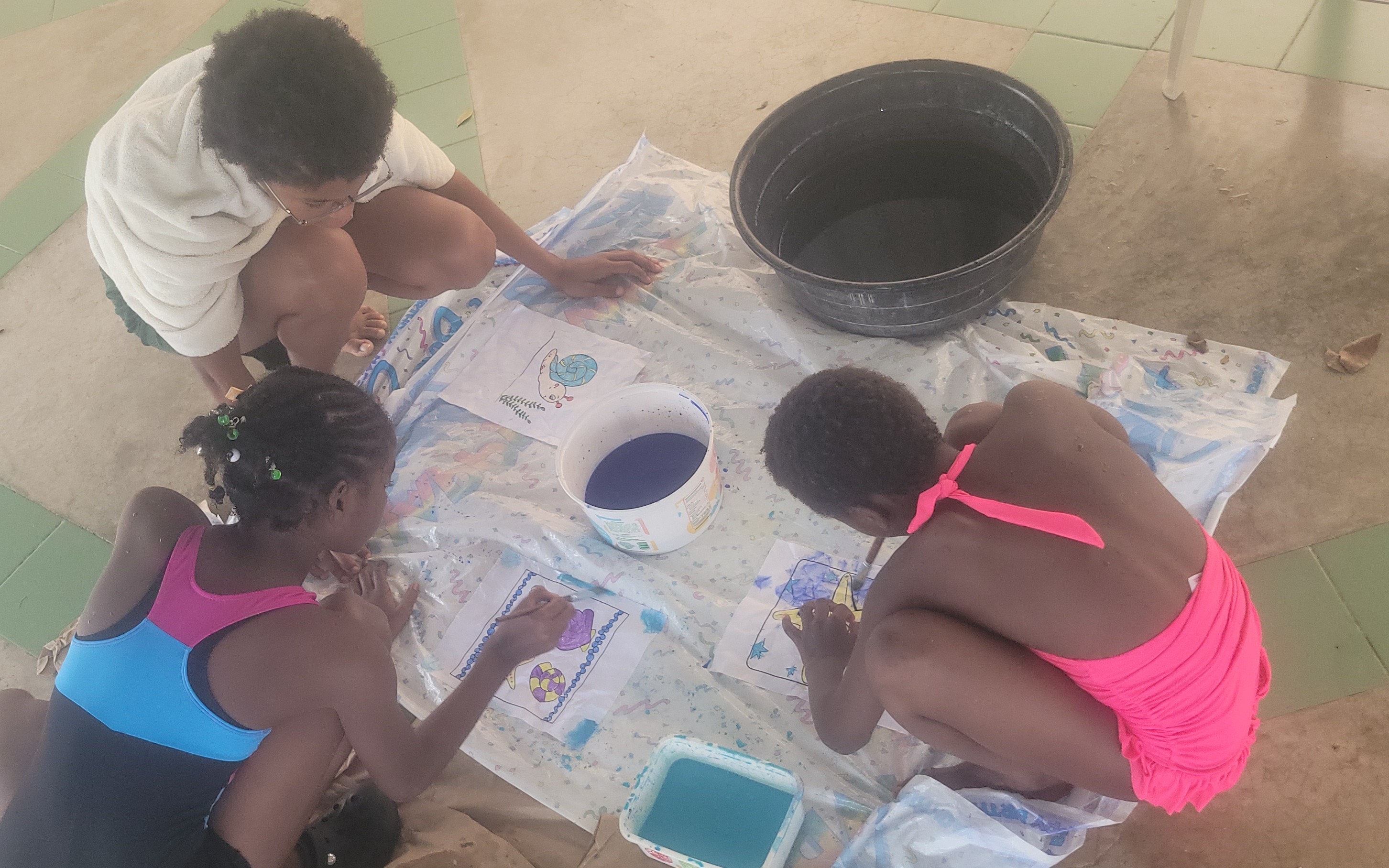
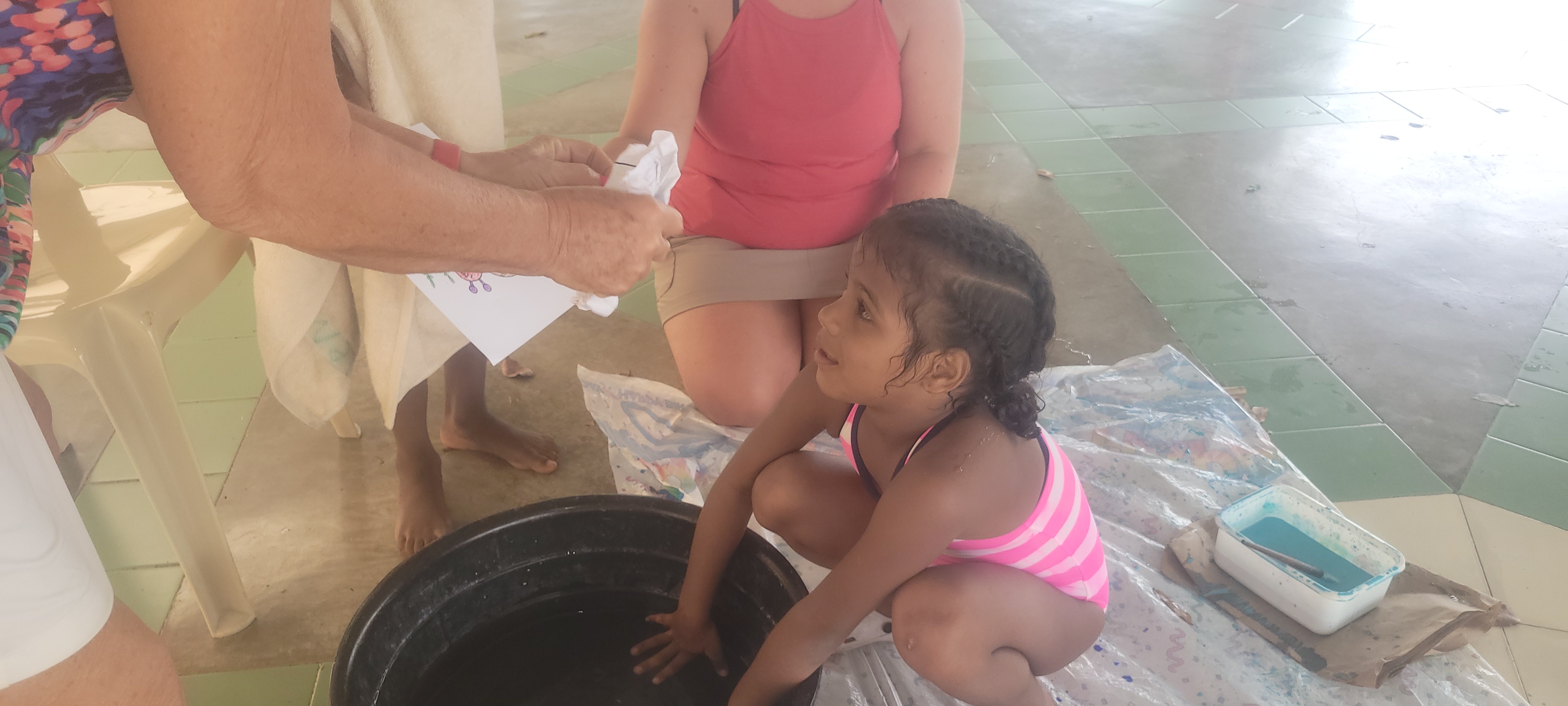
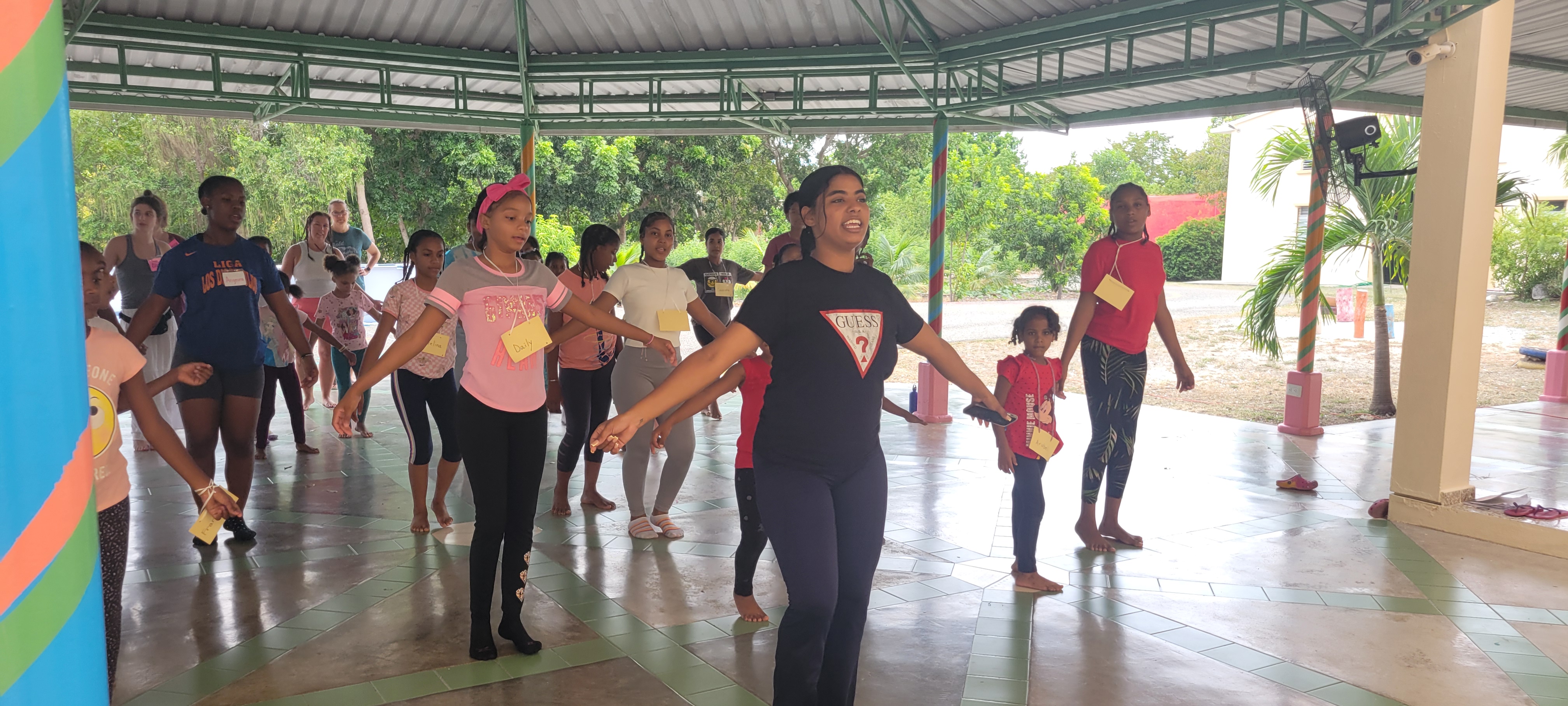
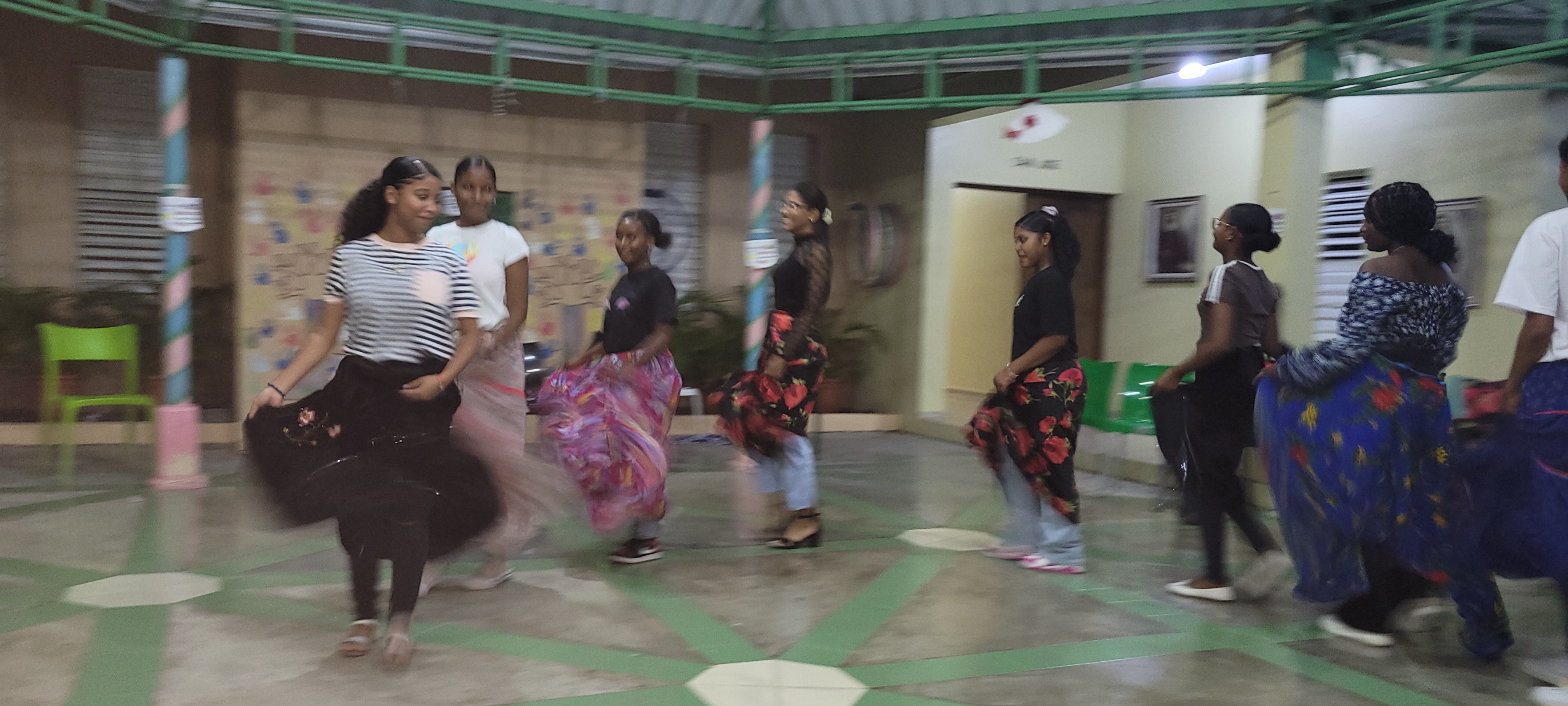
The community gathered for 11 a.m. Mass on the Solemnity of the Most Holy Trinity, with the girls, led by Sister Fifi, providing music and setting a reverent, joyful tone for the week. After a celebratory lunch, a professional dance teacher—brought in by the Sisters as part of their enrichment program—led the girls (and travelers) in a spirited class, followed by pool time and T‑shirt dyeing, a combination of fun, creativity, and community that marked the “soft start” of camp.
Day 1: Stations, Stories, and New Traditions
Monday marked the first “formal‑ish” day of camp, anchored by a new daily prayer attributed to St. Thérèse that emphasizes peace, trust, and using one’s gifts—chosen because its message closely matches Campamento’s hopes for each girl and will now be read at the start of each traveler meeting. The Woman of Faith for the day was Abigail from the Old Testament, whose story of courage and humility was proclaimed in three parts; the girls listened attentively and demonstrated strong comprehension during the “what happened?” questions in the opening ritual.
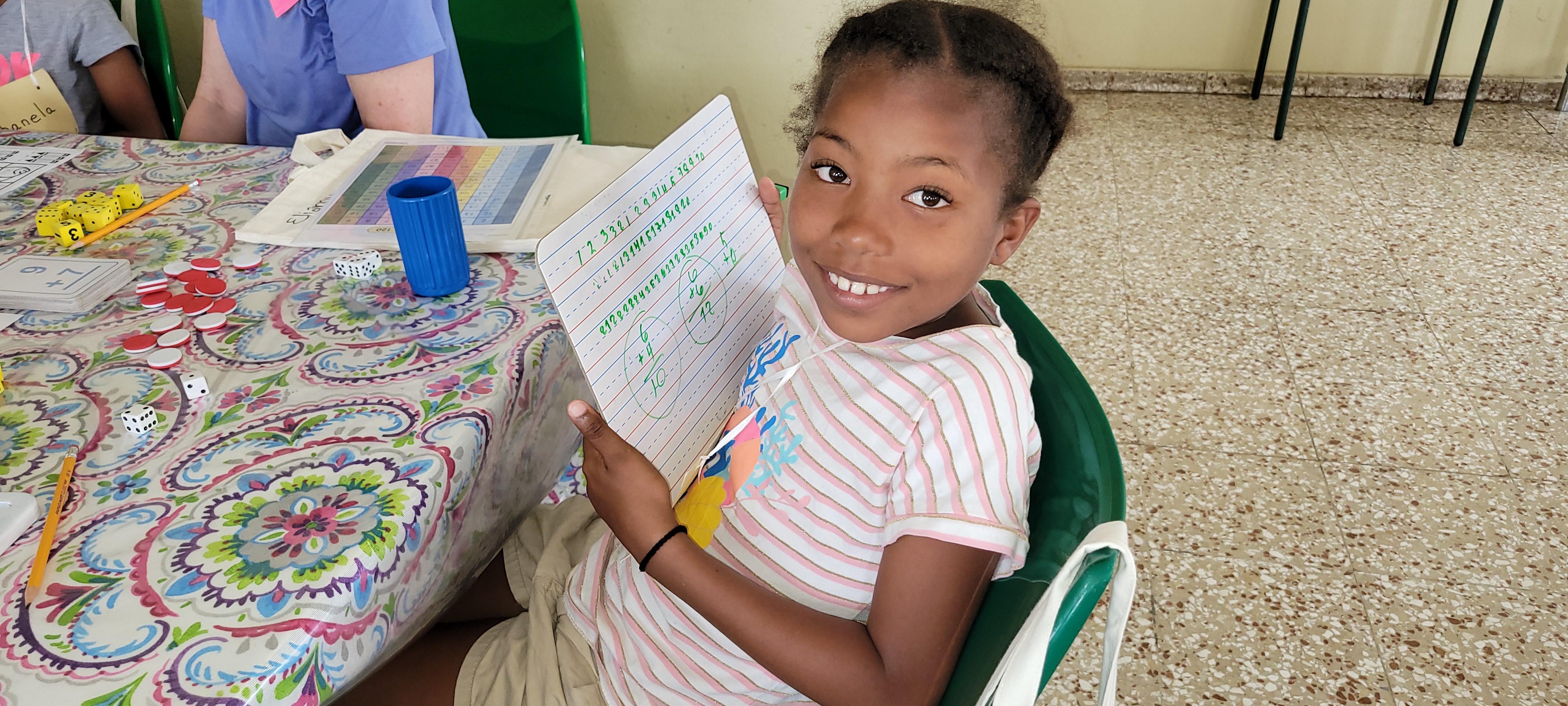
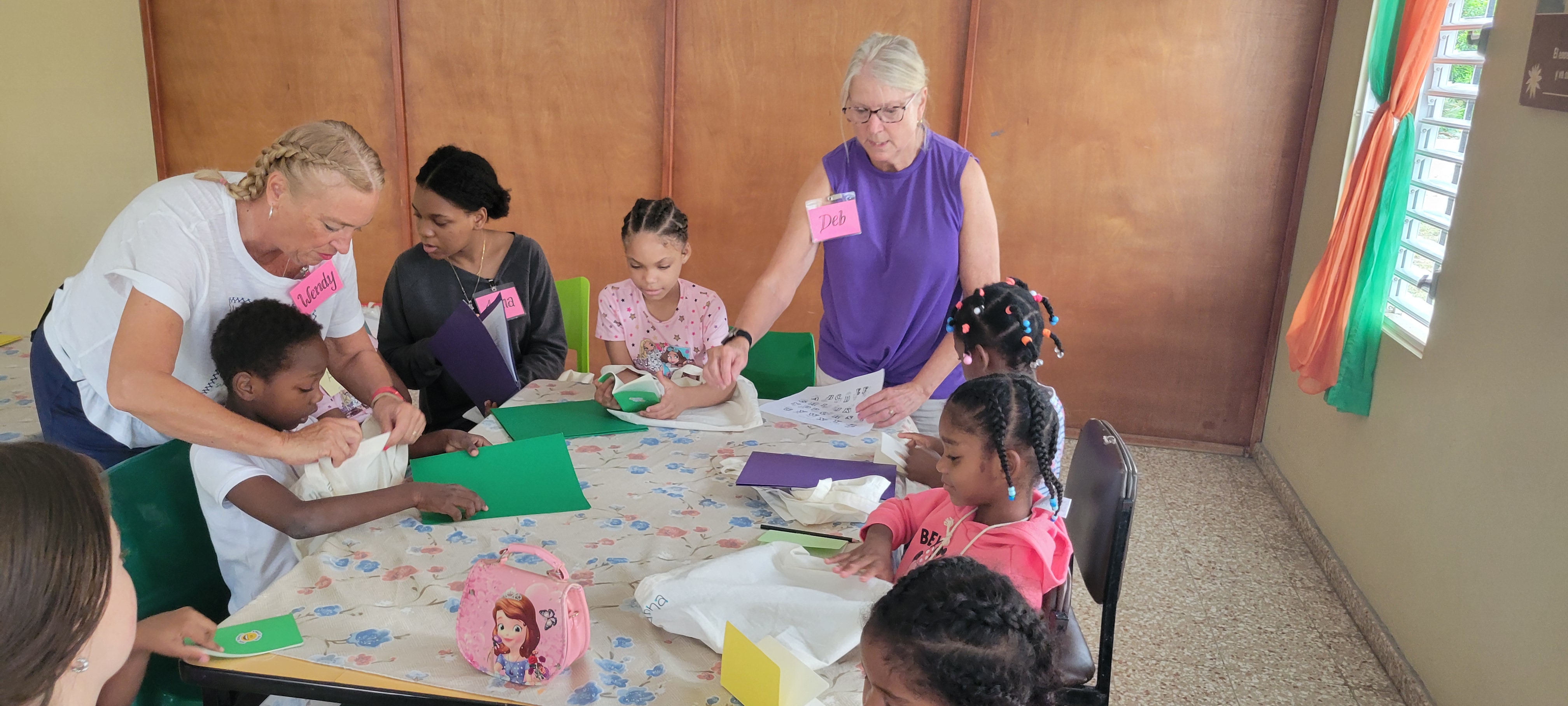
Three core stations—English, math, and reflection—ran throughout the morning, designed and led by the many educators on the traveler team, allowing for engaging lessons and a great deal of one‑on‑one attention. Older girls also participated in an Internet safety session that pushed them beyond “we’ve heard this before” into more thoughtful reflection through discussion questions about posting and consequences, extending the camp’s impact into their digital lives.
Art, Mural Work, and Community Building
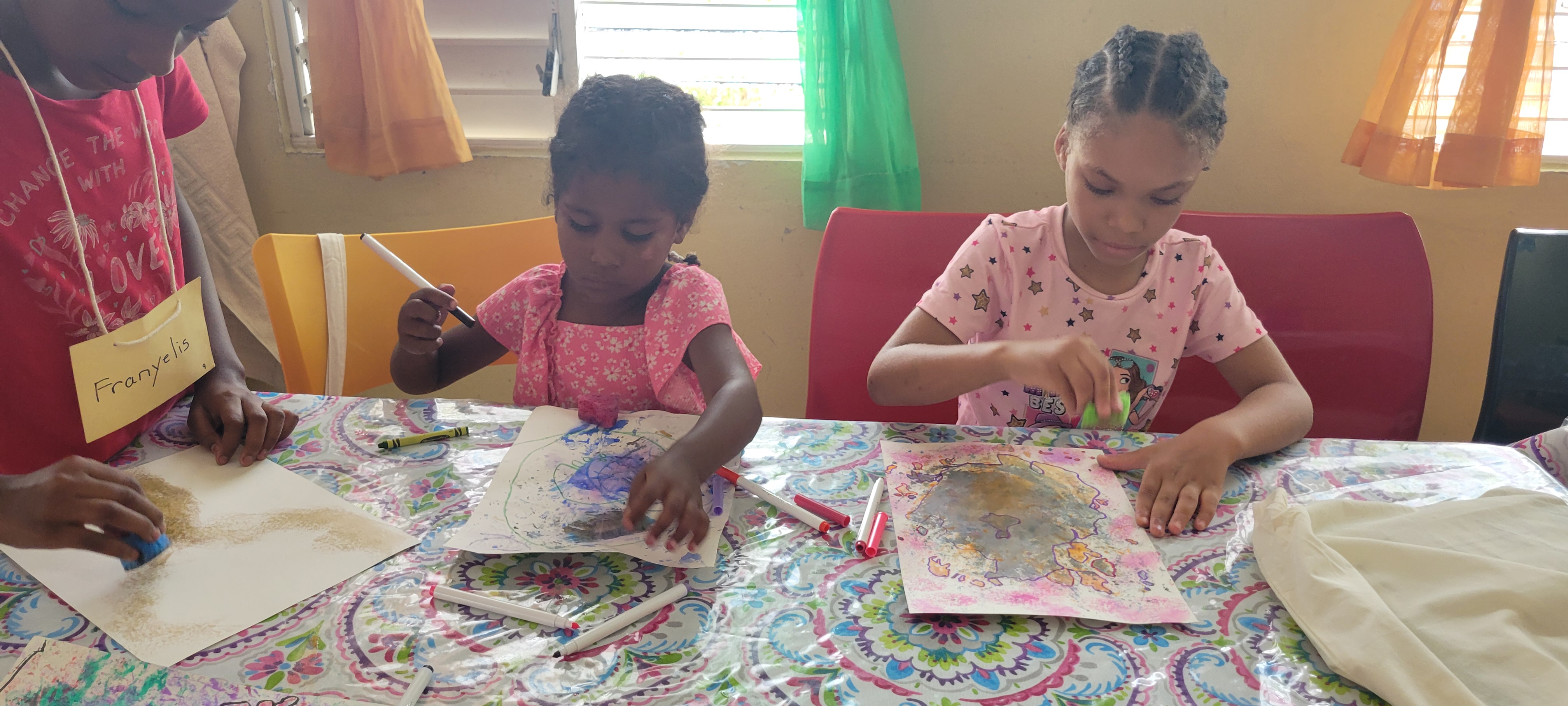
Art played a central role on Day 1, with Shelly and Kathy guiding both a daily craft and a special project to repaint the mural at the entrance to the home, entrusting the most artistically inclined girls with a visible, lasting contribution to their space. This project does more than beautify the campus entrance; it builds ownership and pride, reminding the girls that their creativity shapes the environment they live in year‑round.
The afternoon included lunch, siesta, board games and puzzles, and pool time—simple but essential spaces for relationship‑building and informal language exchange. In the heat of the day, the pools became a place not just to cool off but to laugh, play, and practice a bit of holy silliness, a balance that keeps the week sustainable for both girls and travelers.
Day 2: Growing Rhythm and Deeper Reflection
By Tuesday, the camp rhythm had settled in, helped by nightly debrief meetings where travelers assessed what was working and adjusted plans; several small changes made the second morning run more smoothly. The day opened with a live drama of the previous day’s Scripture: the “medianas” (middle group) led a reenactment of Abigail’s story, inviting the “pequeñas” (younger girls) to play the sheep, turning Scripture into active learning and shared laughter.
Circle time then shifted to Mary and Martha, inviting everyone to consider the tension between action and contemplation—how to balance service with prayer, busyness with stillness—an especially relevant theme for a week of intense activity. With one day of experience, both the travelers and the girls moved through the stations more confidently, and the Sisters’ kitchen team elevated the day with a beautifully prepared meal of fresh‑caught bacalao, black beans and rice, and Dominican coleslaw, nourishing body and spirit alike.
Crafts, Pools, and “Nun‑Raised” Moments
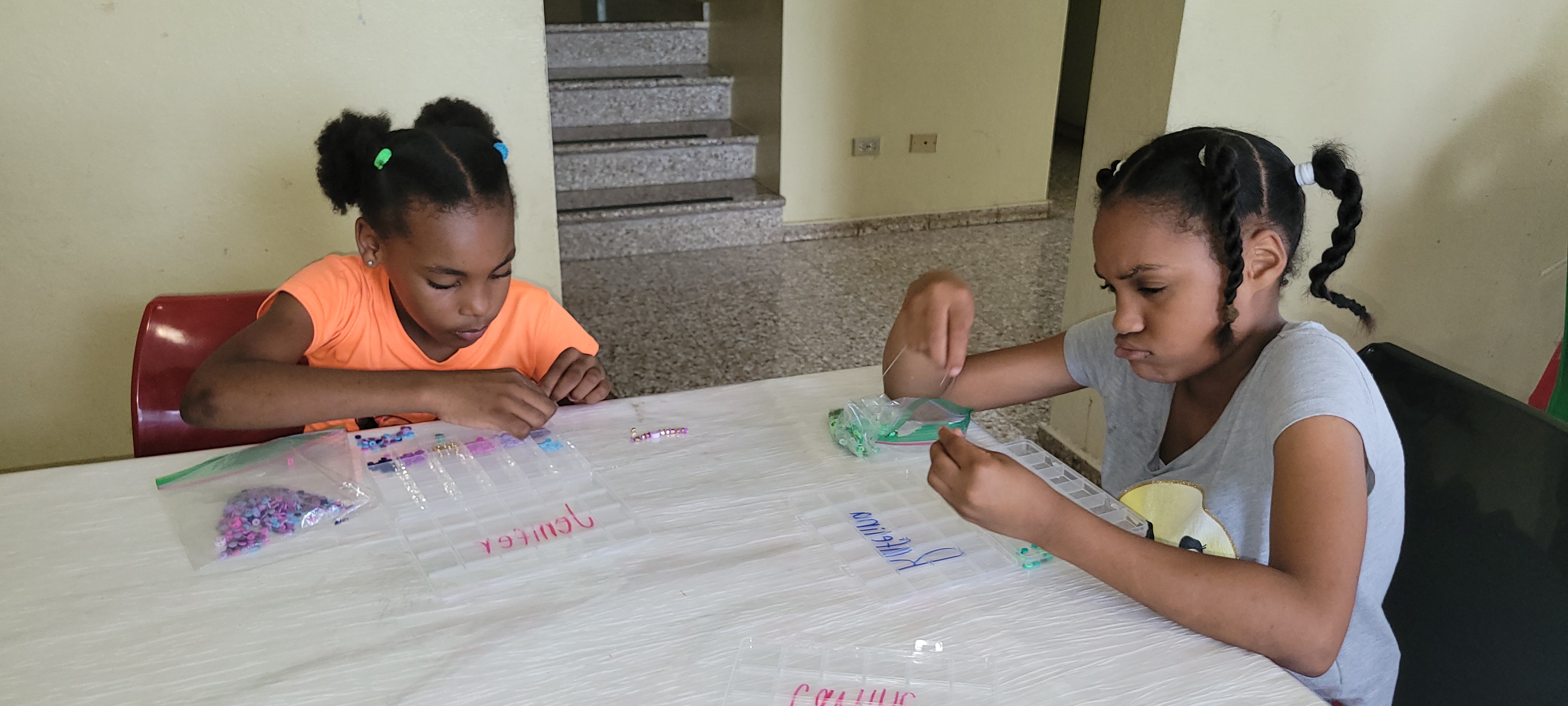
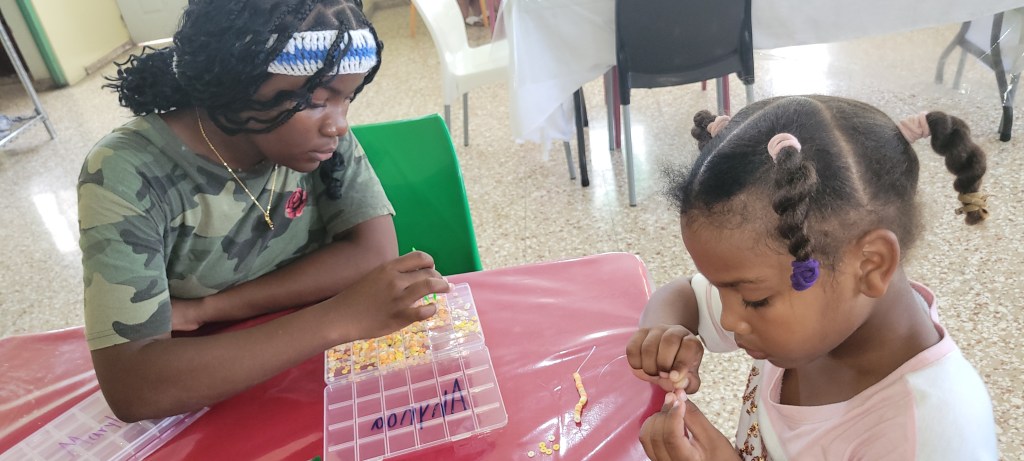
A key logistical improvement on Day 2 was staggering the craft time: during afternoon pool sessions, small groups of girls rotated to the kiosko for crafts, dramatically reducing chaos and allowing extended one‑on‑one interaction with travelers. This simple change exemplifies how we constantly make changes for more personal mentoring, emotional support, and space for each girl to feel seen and heard.
An especially memorable moment—summed up as “tell me nuns raised you without telling me nuns raised you”—came from a pool game where the girls playfully “baptized” each other with three dunks in the name of the Father, Son, and Holy Spirit. It was a lighthearted snapshot of how deeply their faith and formation shape even their play, and it offered travelers a glimpse into the Sisters’ quiet, consistent influence over many years.
Day 3: Paseo to Bani – Beauty, Culture, and Rest
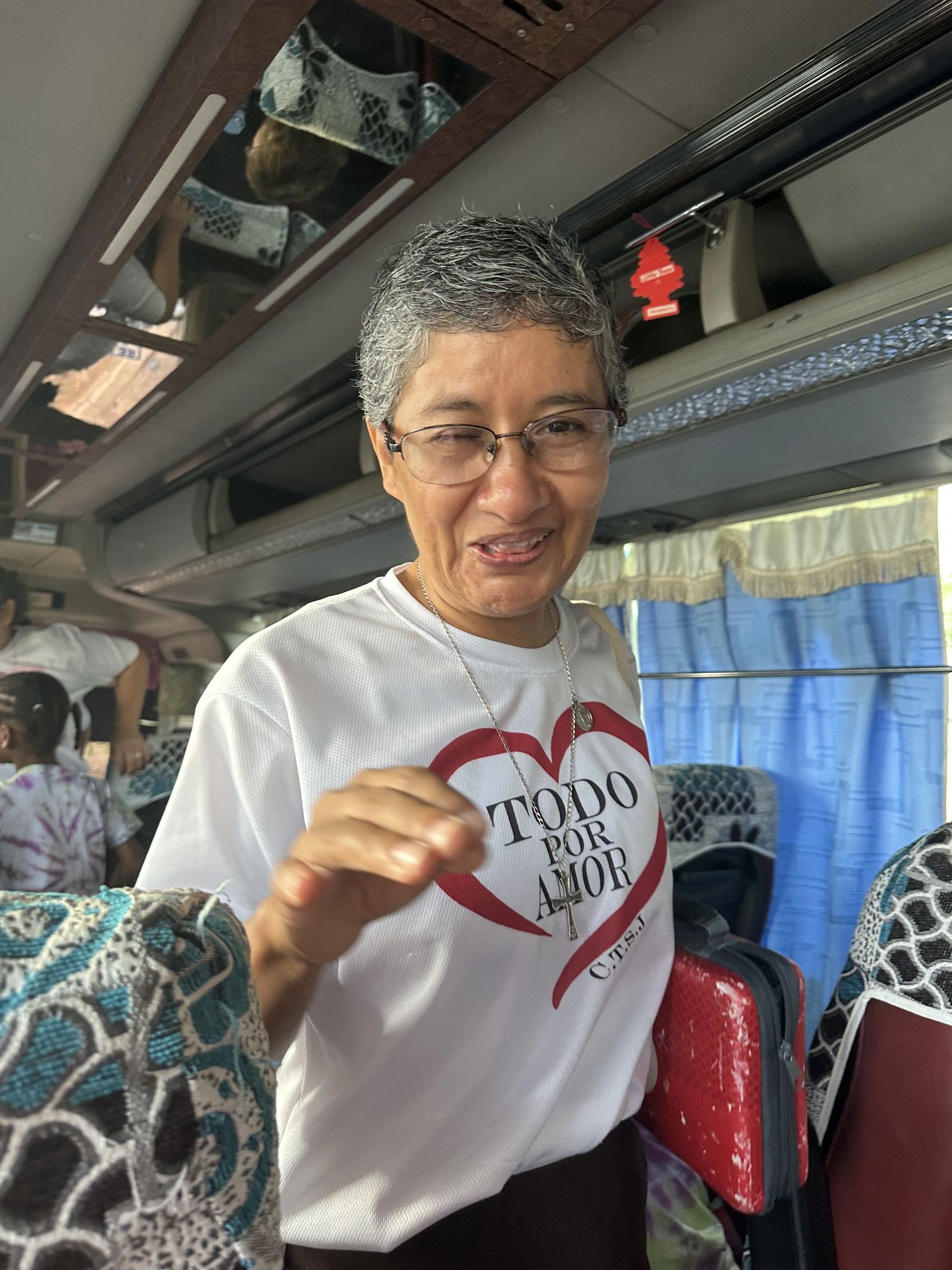
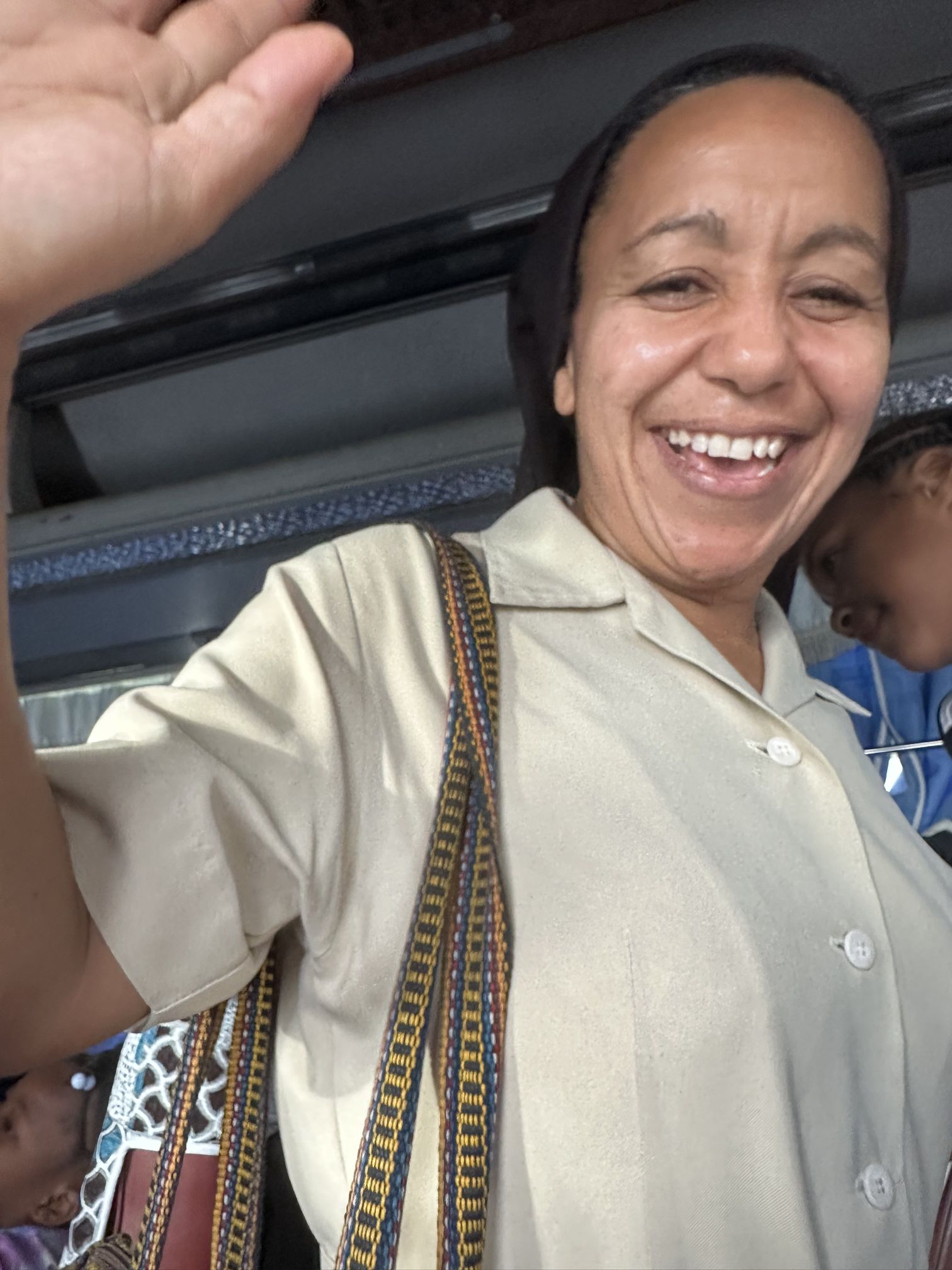
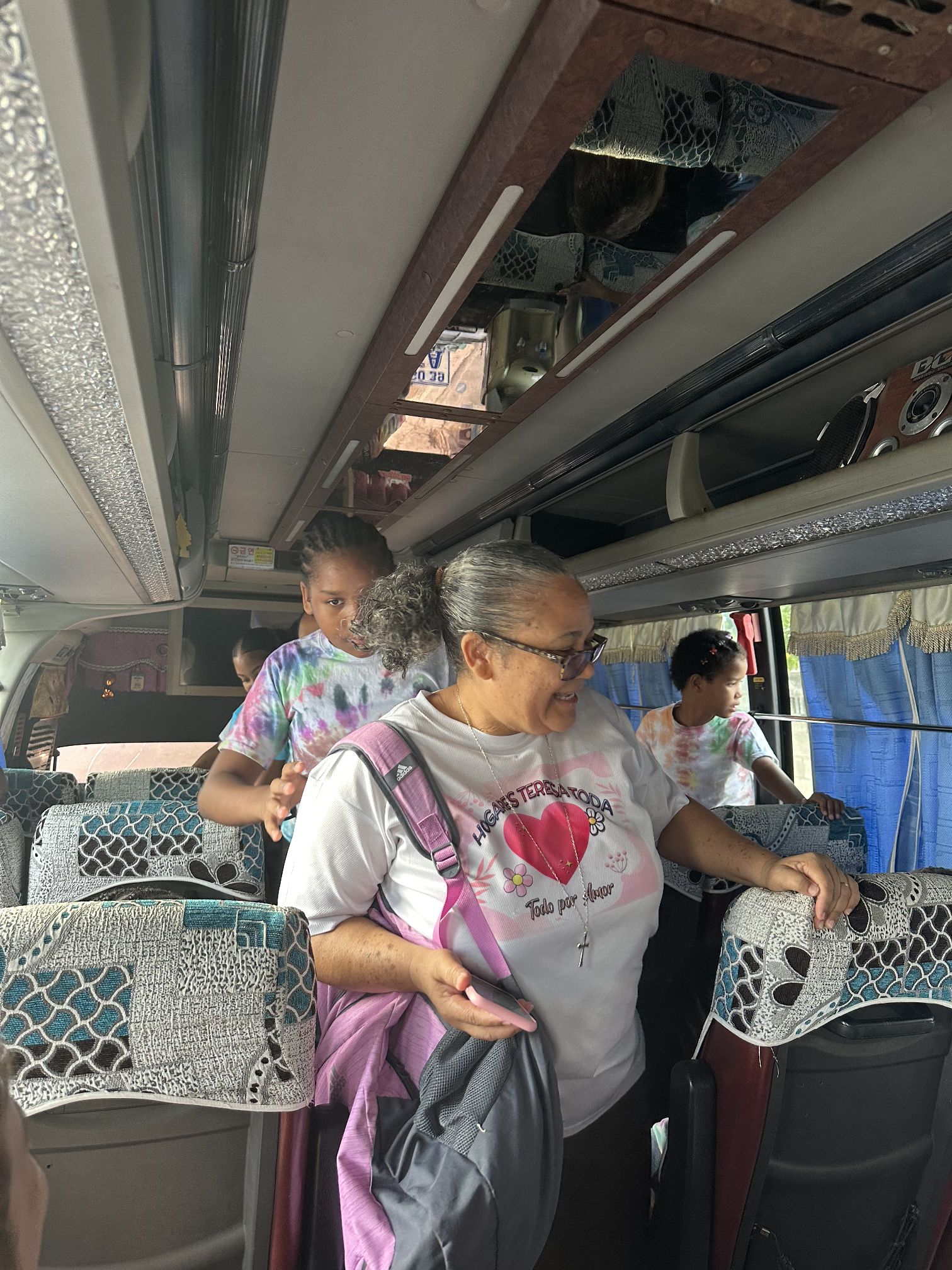
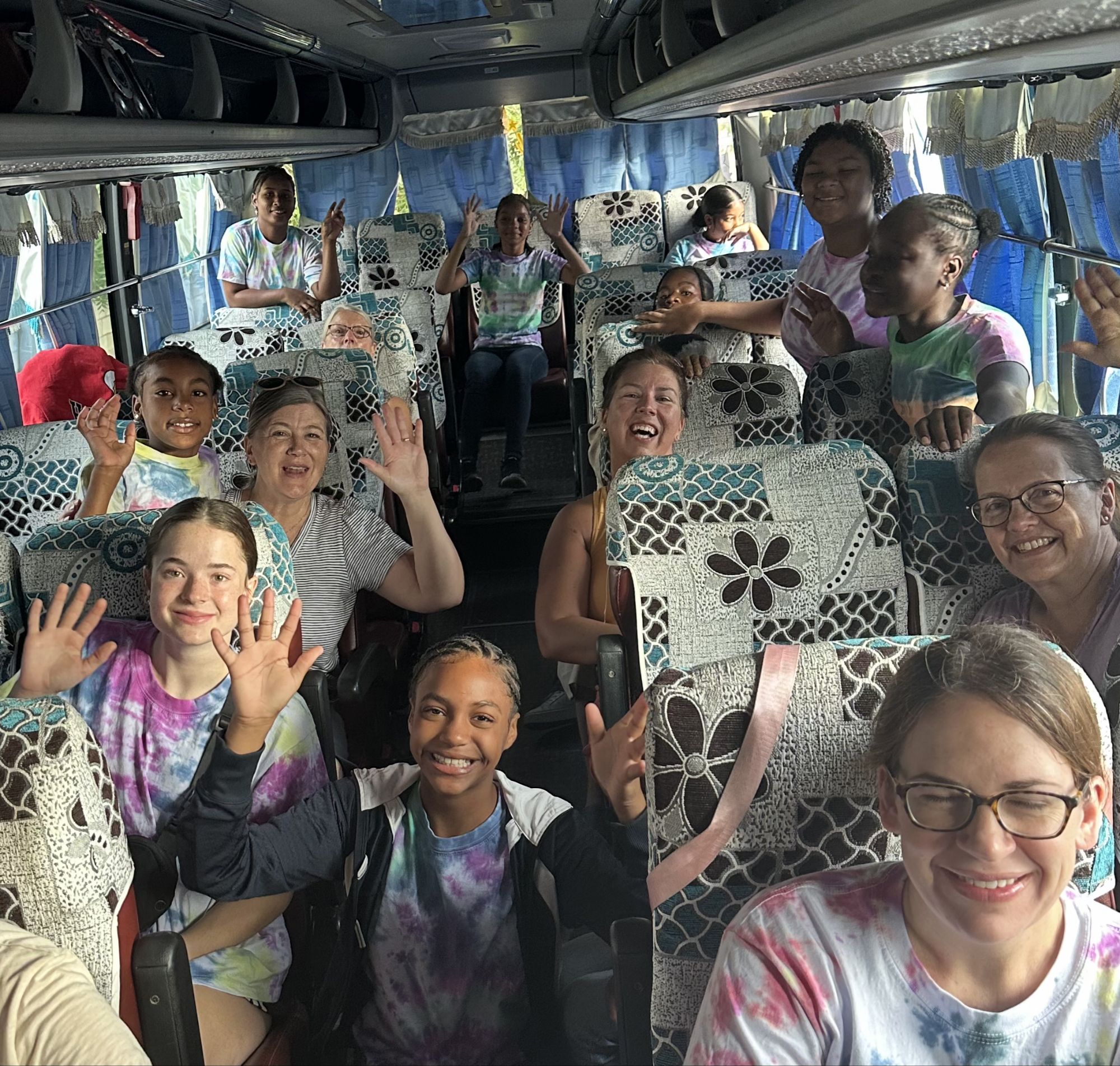
Wednesday brought a change of pace with a full‑day paseo to Bani, a nearby town about an hour from the Hogar and the hometown of baseball star Albert Pujols, who has invested significantly in the local community. Because the whole group traveled together, a large bus – driven by longtime partner/busdriver Wendy – was hired; the bus is so large it cannot enter the Hogar grounds, so everyone walked to the nearby elementary school, Colegio de San José, to board.
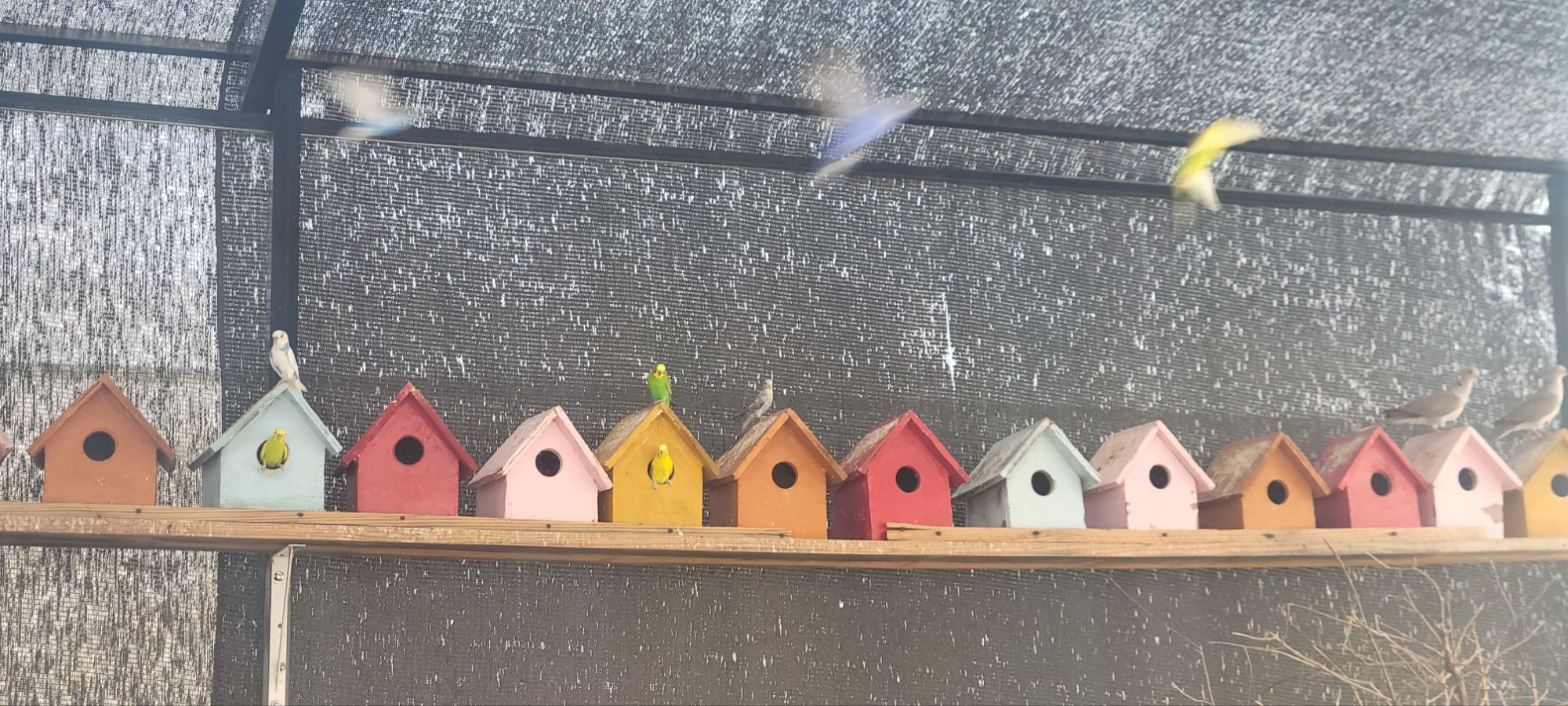
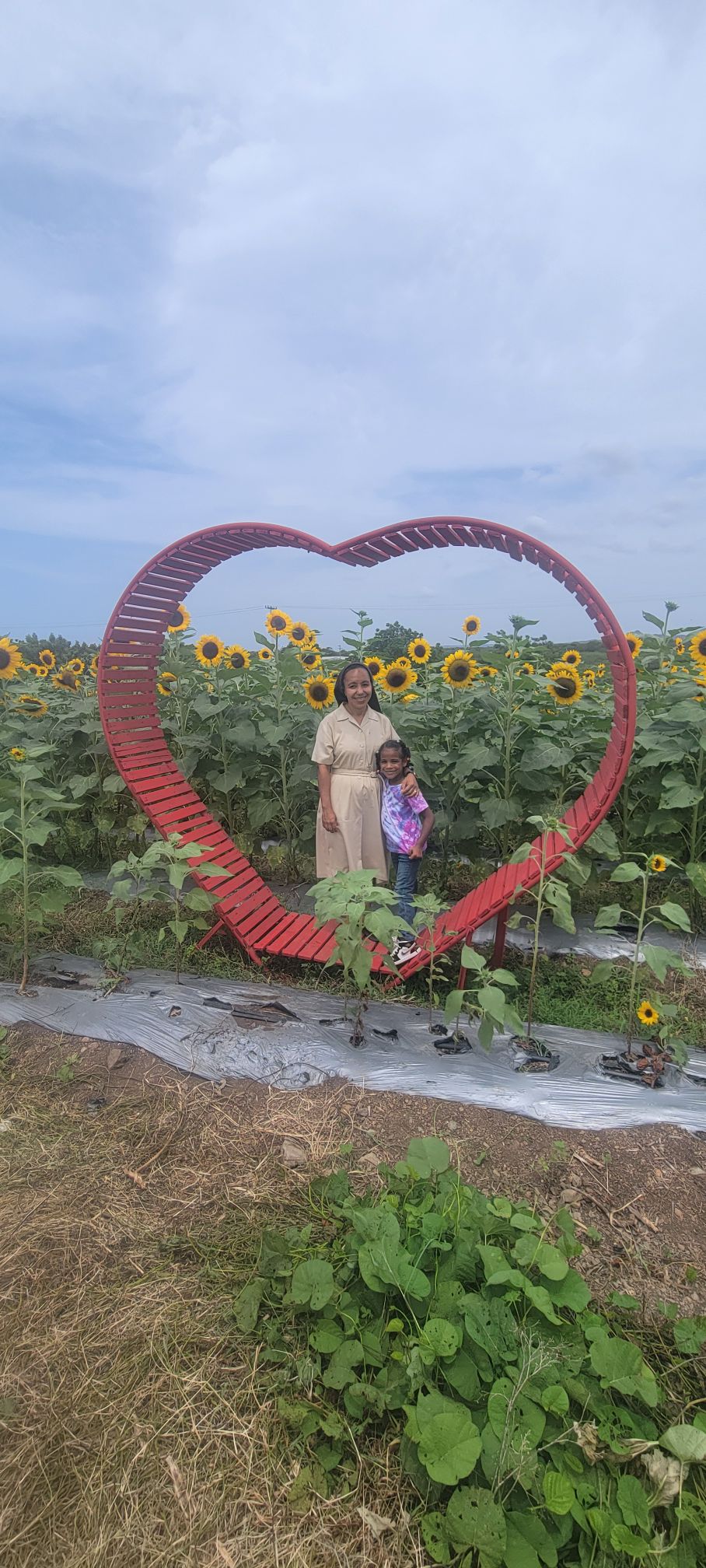
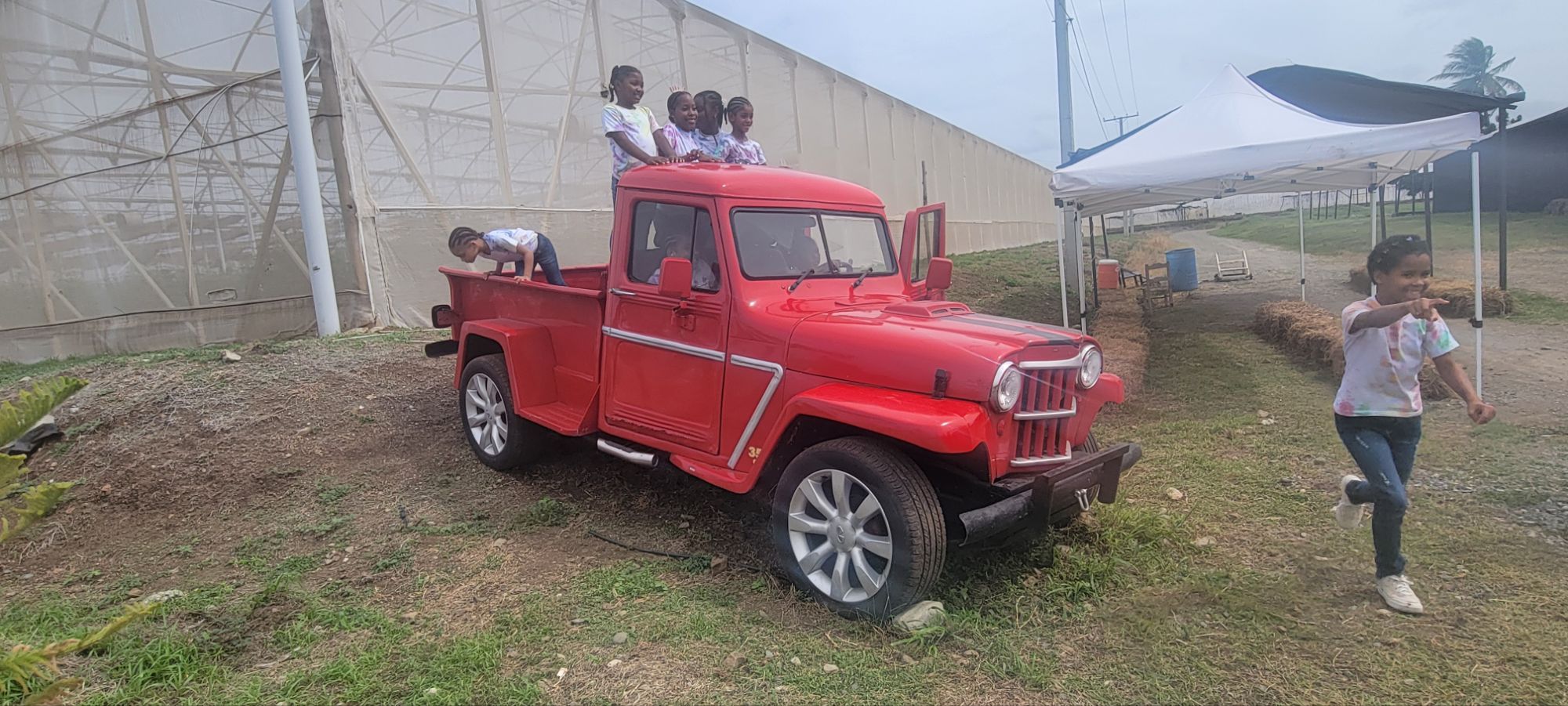
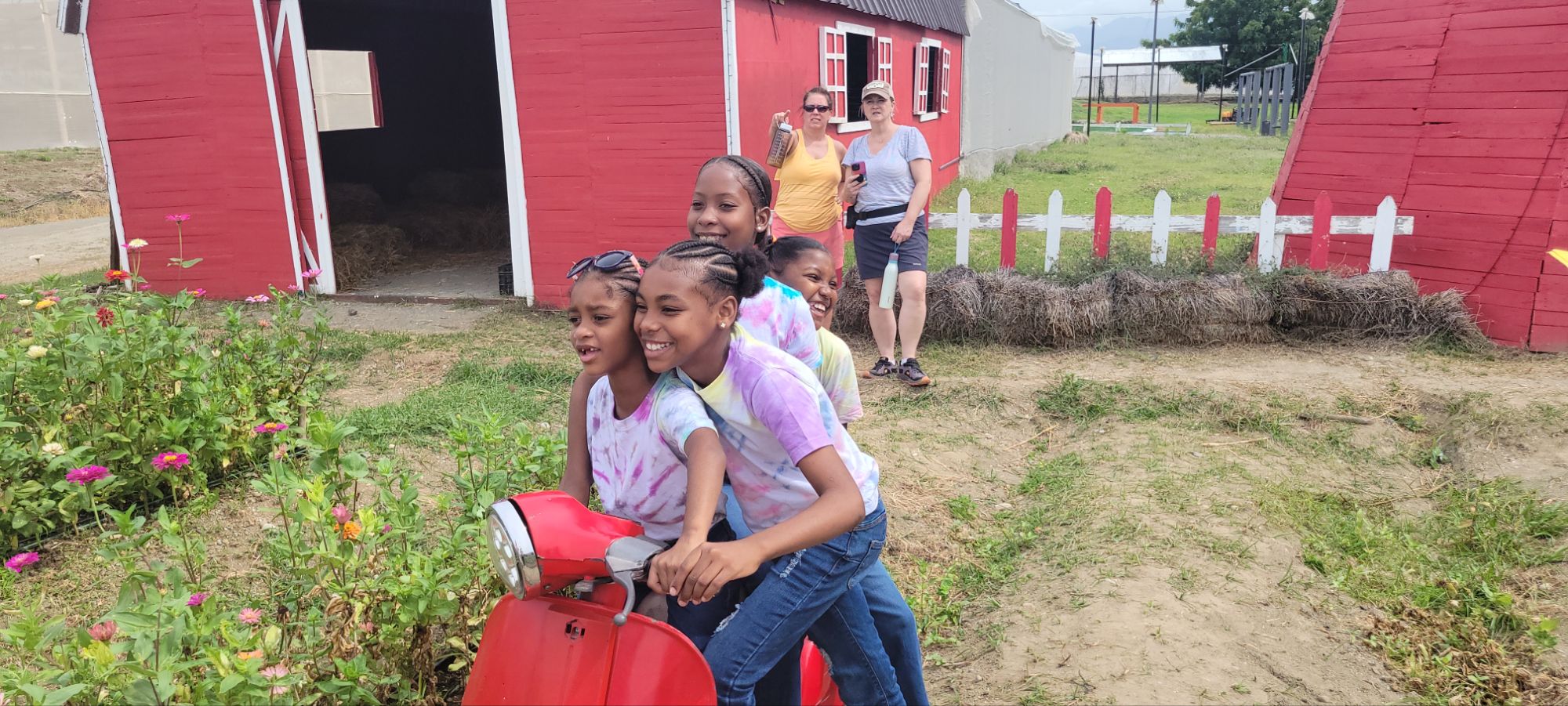
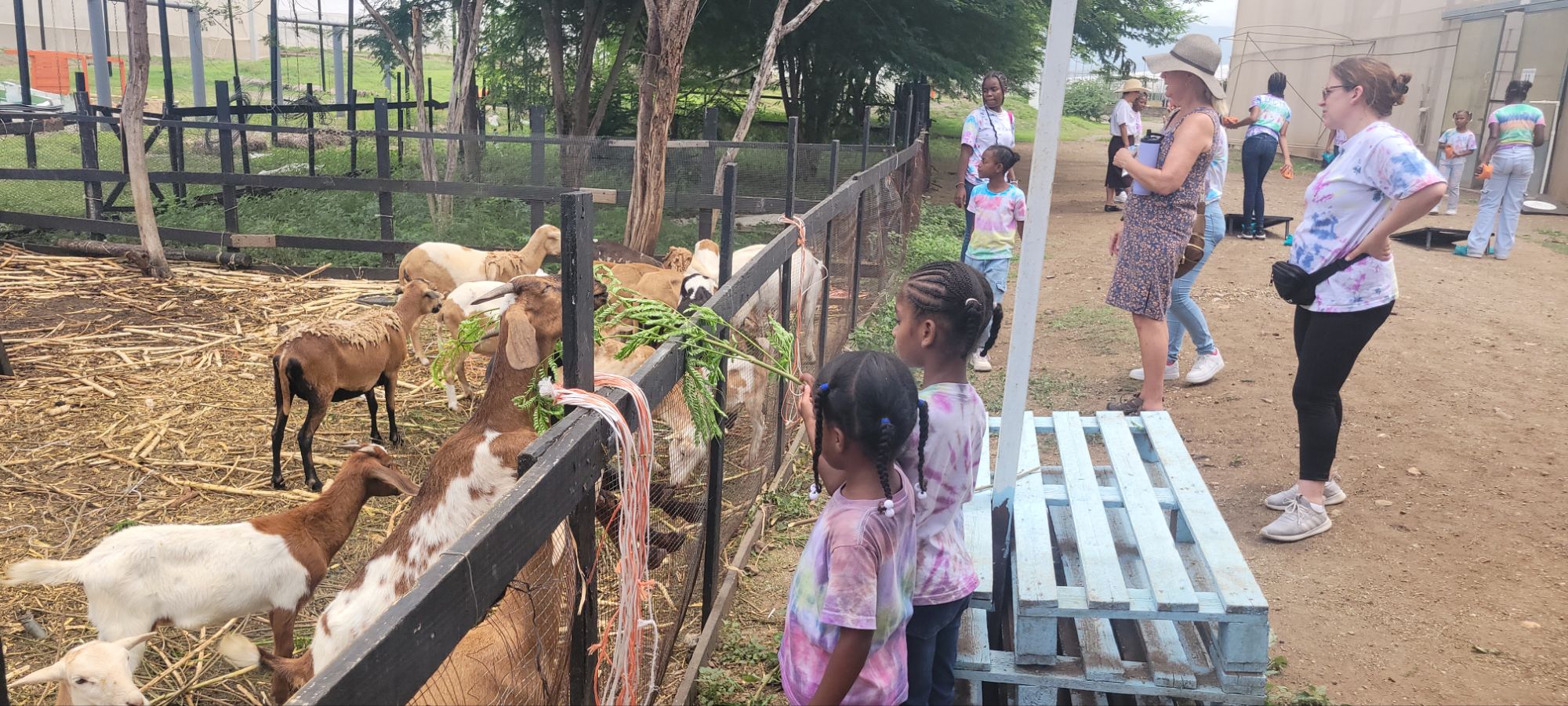
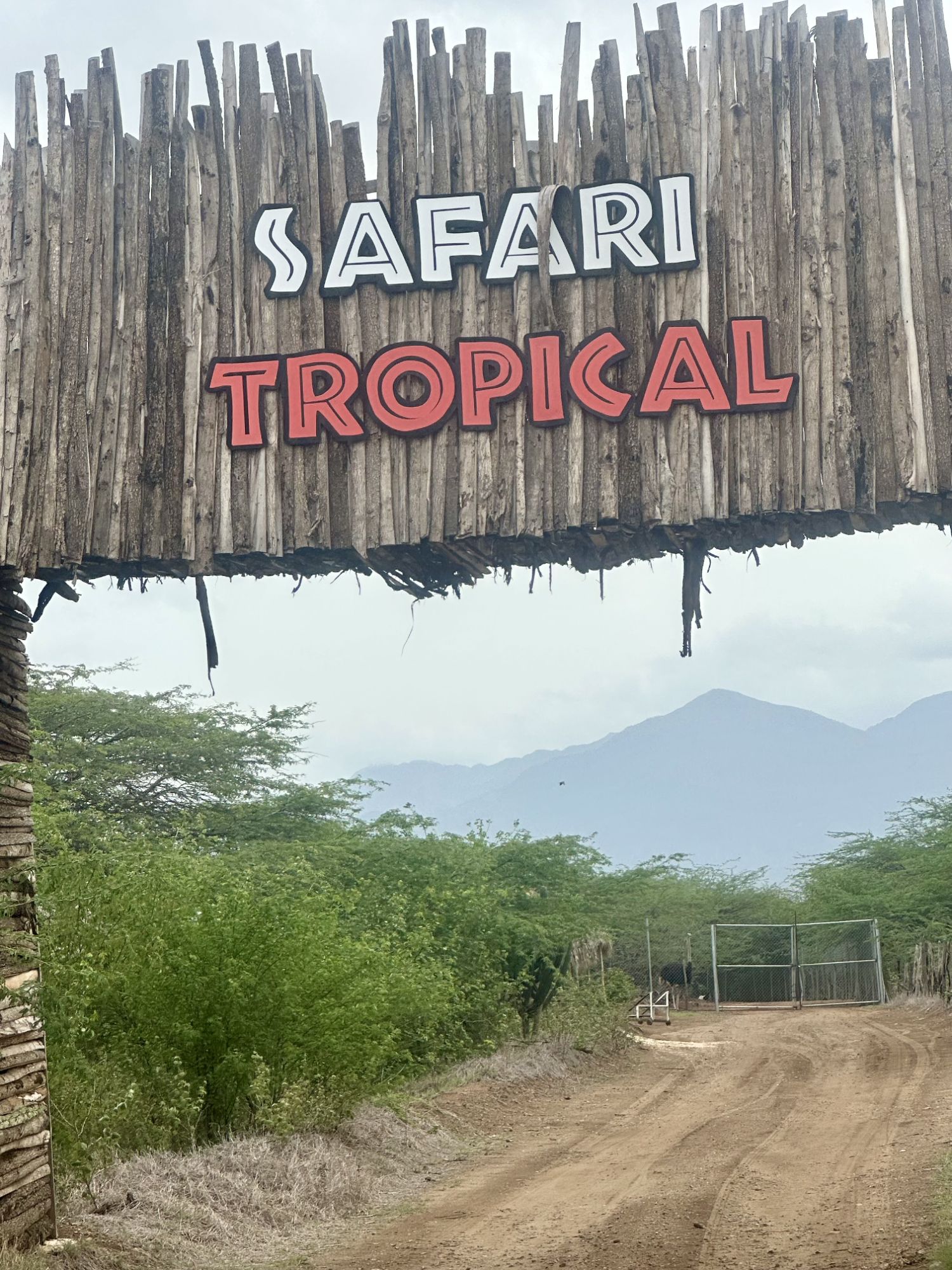
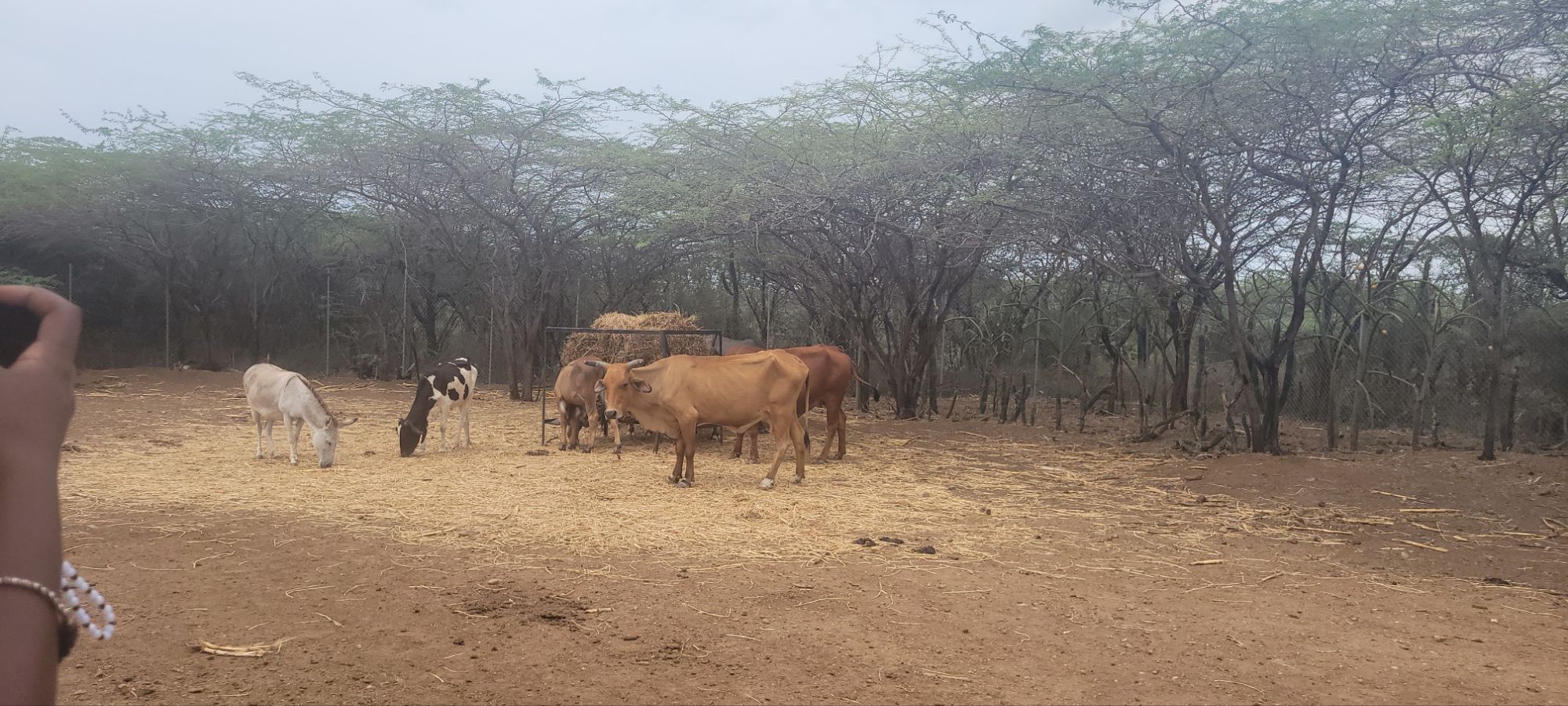
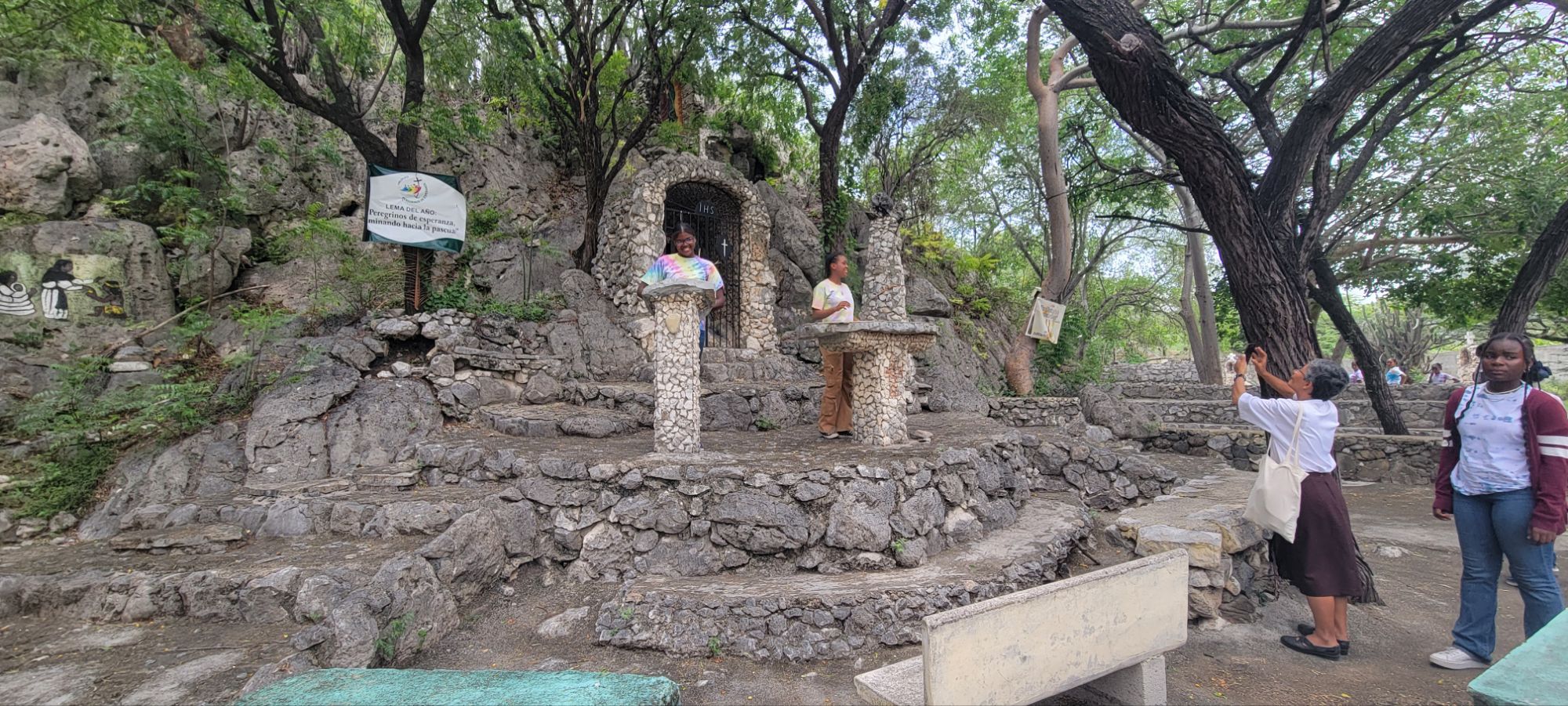
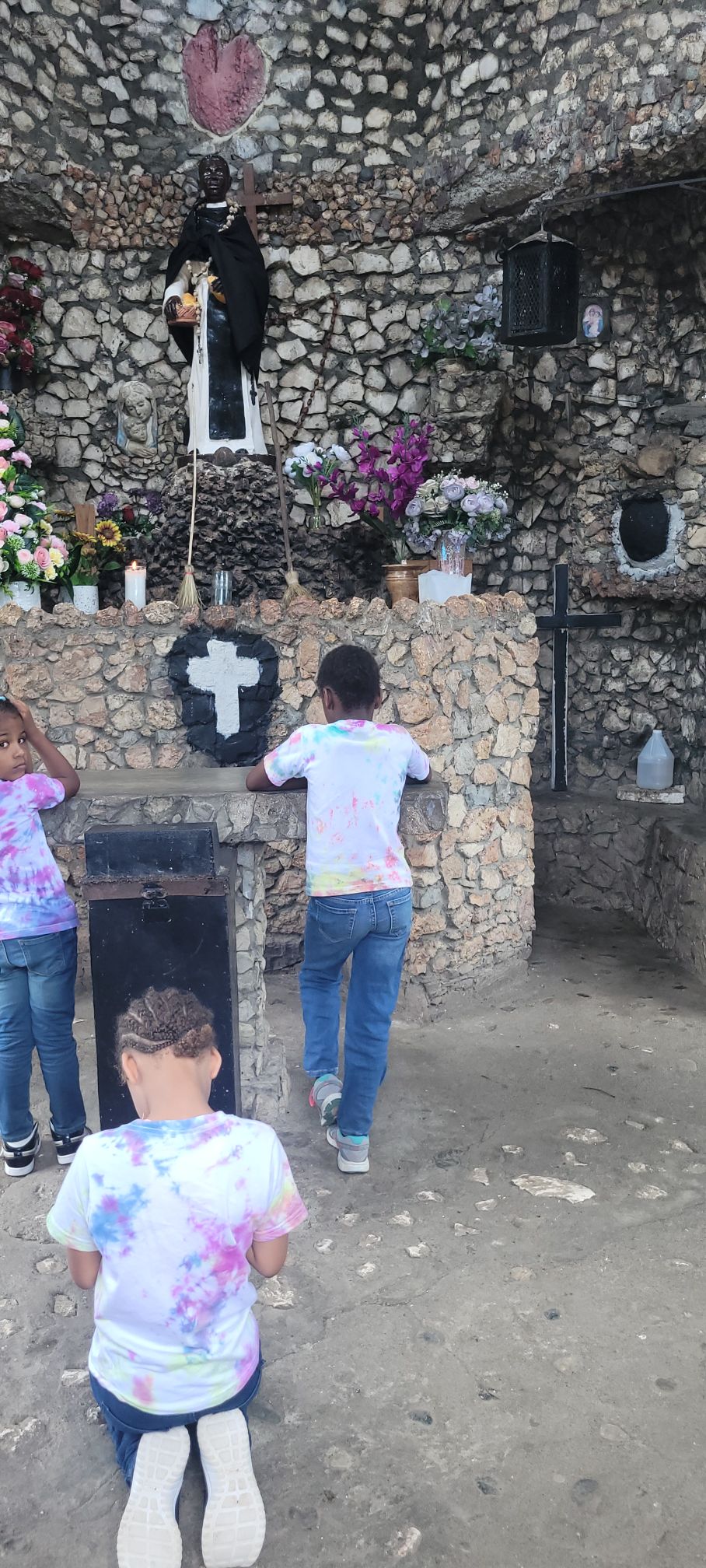
The first stop was Tierra Tropical, a working vegetable and flower farm designed as a “magical” experience with friendly animals to feed, a birdhouse, tractors and other structures to climb on, and a short safari, creating what many girls would call “Instagram heaven.” From there, the group visited the Sanctuary of Saint Martin de Porres, learning about the first non‑white Catholic saint and seeing how a Canadian priest, Roberto Hymusskm, worked with poor local residents to build a beautiful place of prayer and reverence.
Play, Rest, and Shortened Evening Program
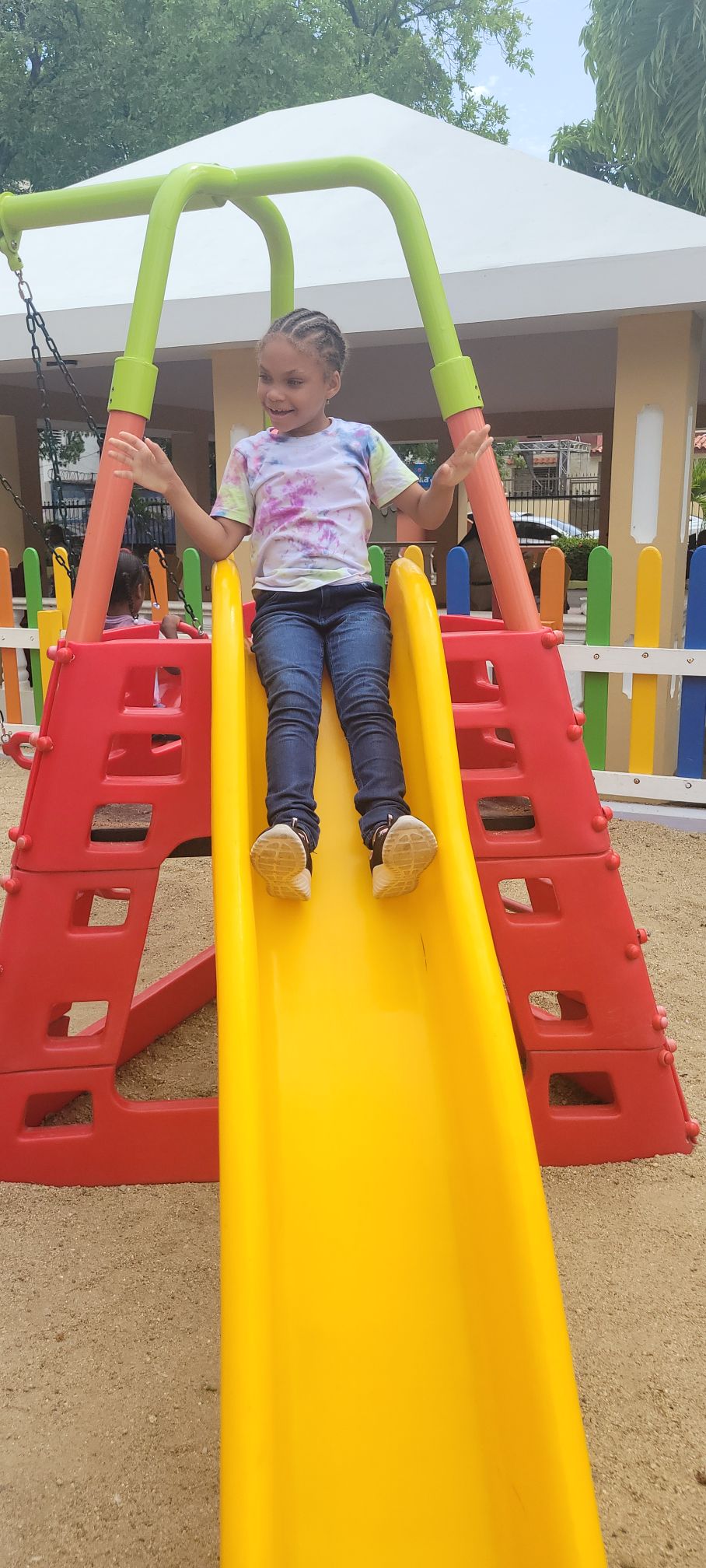
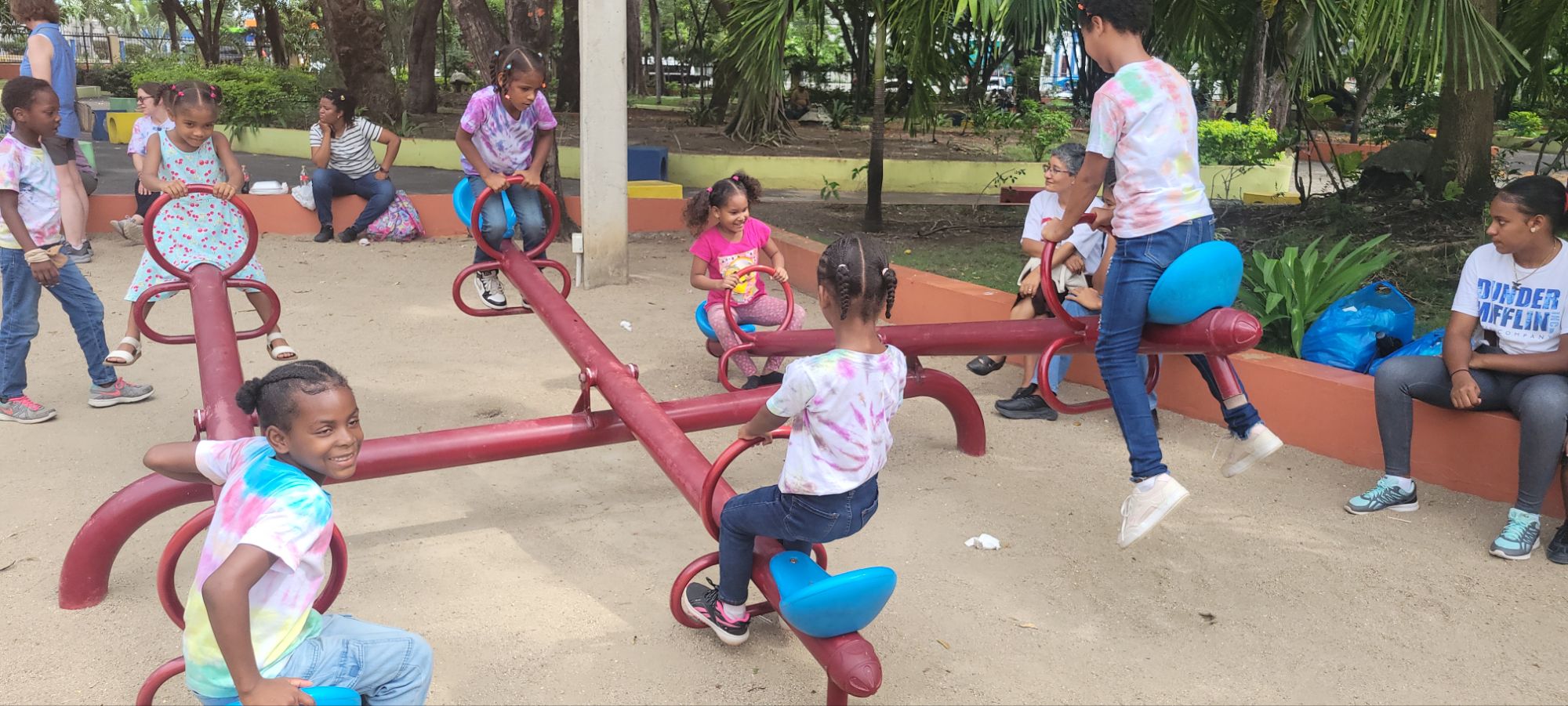
The final stop of the paseo was a safe, well‑maintained park in Bani where the group shared a fried chicken lunch and the girls spent the afternoon on the playground, running, climbing, and simply enjoying being children in a different setting. By the time the buses returned to Azua, the girls were happily exhausted, and the evening circle was intentionally shorter than usual and held earlier, without skits, to honor their need for rest.
This excursion, funded by donors, is a critical piece of the Campamento experience: it expands the girls’ horizons beyond the walls of the Hogar, connects them with national Catholic and cultural landmarks, and offers a shared memory of beauty, joy, and safety that they will carry into the school year.
Day 4 and 5: Lydia and Saint Catherine of Alexandria
Thursday and Friday, we got back into the camp routines. That included learning about Lydia and Saint Catherine of Alexandria, both offering compelling lessons about the Church and life. Each traveler gained confidence in their Spanish, regardless of level. We had a lot of laughs as we finished out the week.
Spiritual and Personal Transformation
Spiritually, Campamento 2025 was grounded in daily prayer, Scripture, and reflection, from the St. Thérèse prayer at traveler meetings to morning rituals that asked the girls not just to recall Bible stories but to consider what they mean in their own lives. Themes like courage (Abigail), balance of action and contemplation (Mary and Martha), and identity in God’s eyes (“You Say”) threaded through the week, giving the girls tools to interpret their challenges and gifts through faith.
For travelers, the week brought its own conversions: learning to let go of rigid plans, discovering new gifts as teachers or mentors, and experiencing the hospitality and joy of a community that has far fewer material resources yet overflows with generosity and faith. Many reported that the nightly debriefs, shared prayer, and simple laughter in the heat and chaos were as formative as any formal program element.
Stewardship and Use of Donor Support
Financial gifts from parishioners and friends go to camp activities, school uniforms and suppliers, and facility upgrades to the home. In keeping with Campamento’s long‑standing practice, monetary donations are spent with local businesses, multiplying the impact by supporting small Dominican businesses.
The Sisters are known for their careful stewardship; funds are directed to the girls’ education, well‑being, and program enrichment, from tutoring and crafts to visiting professionals like the dance teacher who offered classes during the weekend. The 2025 week continued this pattern of transparent, thoughtful use of resources, with nightly planning and debriefs helping the team align spending, time, and energy with Campamento’s stated goals.
Lessons for Future Travelers
Several practical lessons emerged that may guide future participants: early‑morning departures, while tiring, allow arrival in daylight and safer, more relaxed transport to Azua, even when unexpected issues like delayed luggage arise. Flexibility proved essential, as nightly evaluations and small schedule tweaks—such as staggering craft time during pool sessions—significantly improved the girls’ experience and lowered stress for travelers.
Future travelers can expect: early mornings and hot afternoons; a mix of structured teaching and unstructured play; shared Mass and prayer; language barriers bridged by smiles, songs, and games; and a deep sense of being welcomed into an already‑strong community. Those considering joining should be ready to teach or assist in stations, lead or participate in crafts and games, listen well, and allow the girls and Sisters to give us as much as they receive.
Gratitude and Invitation
The girls, Sisters, and travelers are profoundly grateful for every gift and every prayer that made Campamento 2025 possible; each supporter, from parishioners and donors, played a real role in the week’s stories of learning, laughter, and spiritual growth. The community at Hogar Teresa Toda remains eager to welcome returning and new travelers, and plans are already being discerned for future camps, continuing this long, grace‑filled partnership “si Dios quiere,” if God wills.
For those discerning a future trip, Campamento offers an authentic immersion in cross‑cultural ministry, Catholic spirituality, and relationship‑based service that is both challenging and deeply joyful; for those who support from home, your continued financial and prayer support is an essential part of this shared mission at the heart of our parish’s outreach.
Thank you to everyone who prays for, travels to, and donates to Campamento. You are keeping a unique St. Ed’s tradition alive!!










































 Campamento 2026